On May 23, the First Tsinghua Doctoral Forum on Area Studies and the 824th Tsinghua University Doctoral Academic Forum were held at the Institute for International and Area Studies (IIAS) at Tsinghua University. Centred on the theme "Area Studies: Experience, Theory, and Method," the forum brought together more than one hundred faculty members and students from universities in China and abroad through both in-person and online participation. Discussions focused on theoretical construction, methodological innovation, and empirical research in area studies.
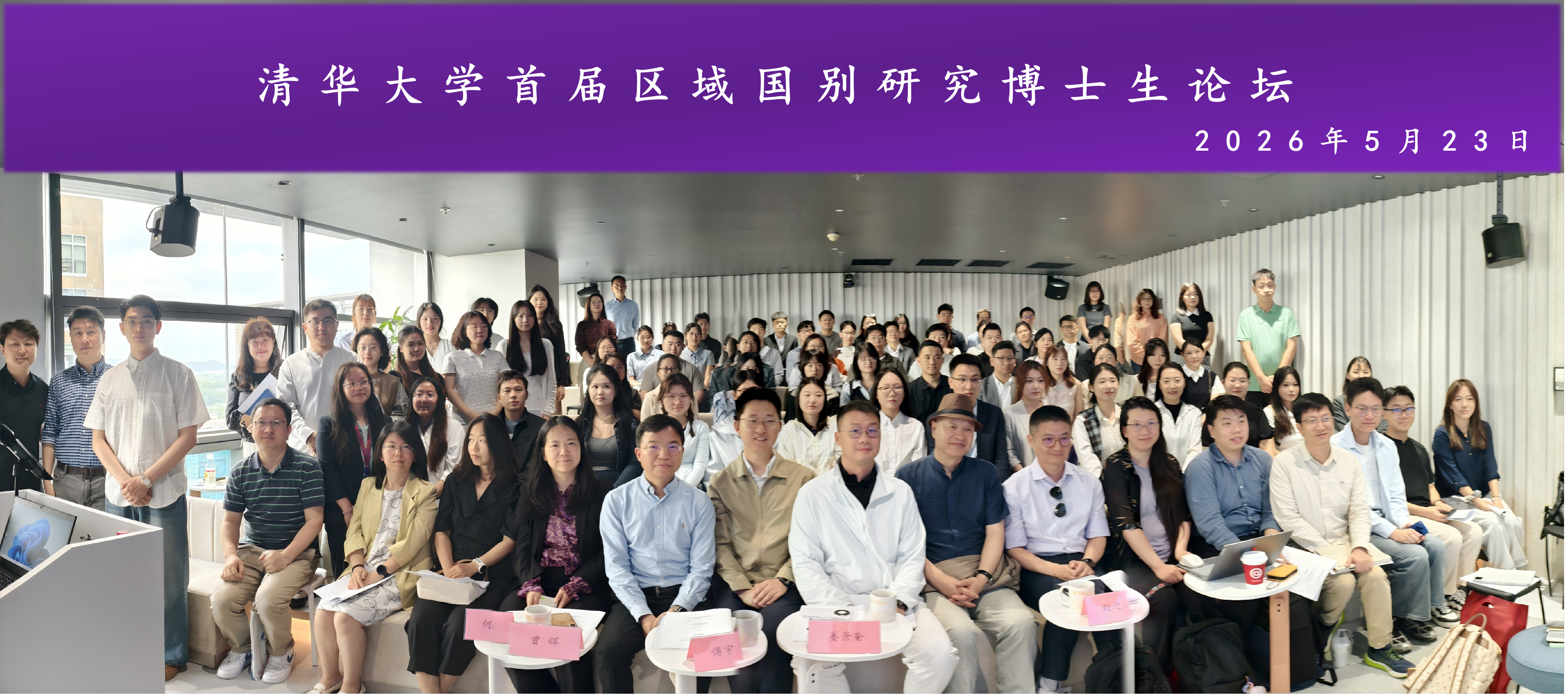
Group photo at the opening ceremony
On the morning of the event, the opening ceremony was held in the IIAS lecture hall. Participants included Professor Jiang Jingkui, Dean of IIAS; Fu Yujie, Deputy Secretary of the Tsinghua University Youth League Committee; Professor Yin Zhiguang of Fudan University; Zeng Hui, Deputy Editor-in-Chief of Encyclopedia of China Publishing House; and all faculty members of IIAS. The ceremony was moderated by Dr Zheng Nan, Assistant Professor at IIAS.
In his opening remarks, Jiang Jingkui introduced the recent development and research progress of IIAS. He noted that area studies research requires continuous refinement of research questions, methodologies, and scholarly perspectives through open academic exchange. He expressed the hope that the forum would provide young scholars with an opportunity to share research experiences, establish academic connections through intellectual dialogue, and contribute collectively to the development of area studies as a discipline.
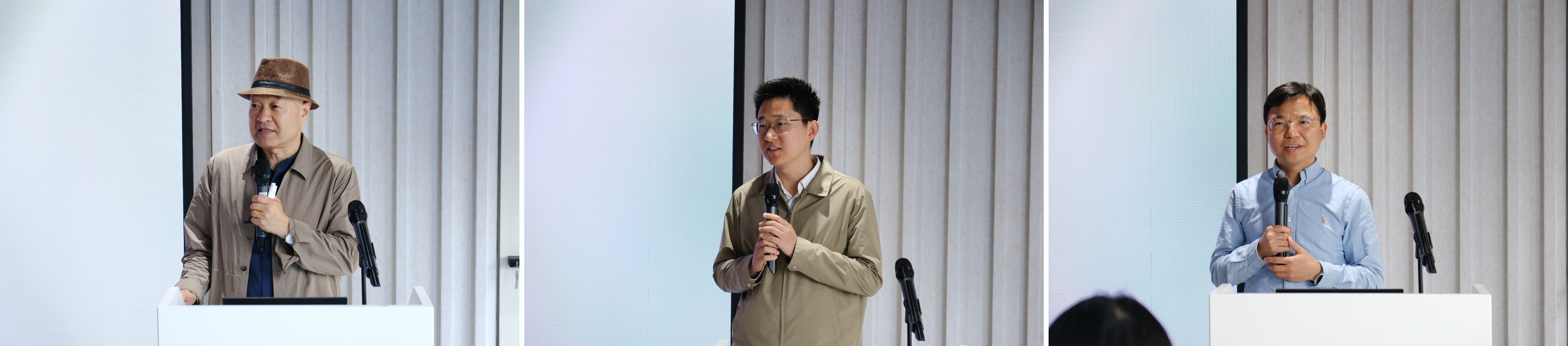
Opening remarks (from left to right: Jiang Jingkui, Fu Yujie, Zeng Hui)
On behalf of the Tsinghua University Youth League Committee and the Graduate Student Youth League Committee, Fu Yujie congratulated the organisers on the successful convening of the forum. He introduced the development of the Tsinghua University Doctoral Academic Forum series and noted that the inclusion of the First Tsinghua Doctoral Forum on Area Studies within this framework had further expanded the platform for doctoral academic exchange while creating valuable opportunities for young scholars in area studies to present their work and engage in in-depth discussion.
In his remarks, Zeng Hui reviewed the development history and digital transformation of Encyclopedia of China Publishing House and the Encyclopedia of China. He emphasised that academic publishing constitutes a vital component of knowledge production, research dissemination, and disciplinary development. The publishing house, he stated, would continue to support the integration of high-quality publishing and academic research, contributing to the construction and dissemination of knowledge systems in area studies.
Following the opening ceremony, Jiang Jingkui and Yin Zhiguang each delivered keynote speeches. Using South Asian studies as an example, Jiang argued that area studies research should neither remain at the level of surface-level description nor mechanically apply externally derived discursive frameworks. Instead, scholars should return to concrete historical contexts and real-world problems while strengthening intellectual subjectivity in research. He emphasised that area studies should pursue theoretical and methodological innovation on the basis of existing disciplinary foundations in order to construct an independent Chinese knowledge system and discourse system, thereby enhancing Chinese scholarship's capacity to understand, interpret, and articulate the world.
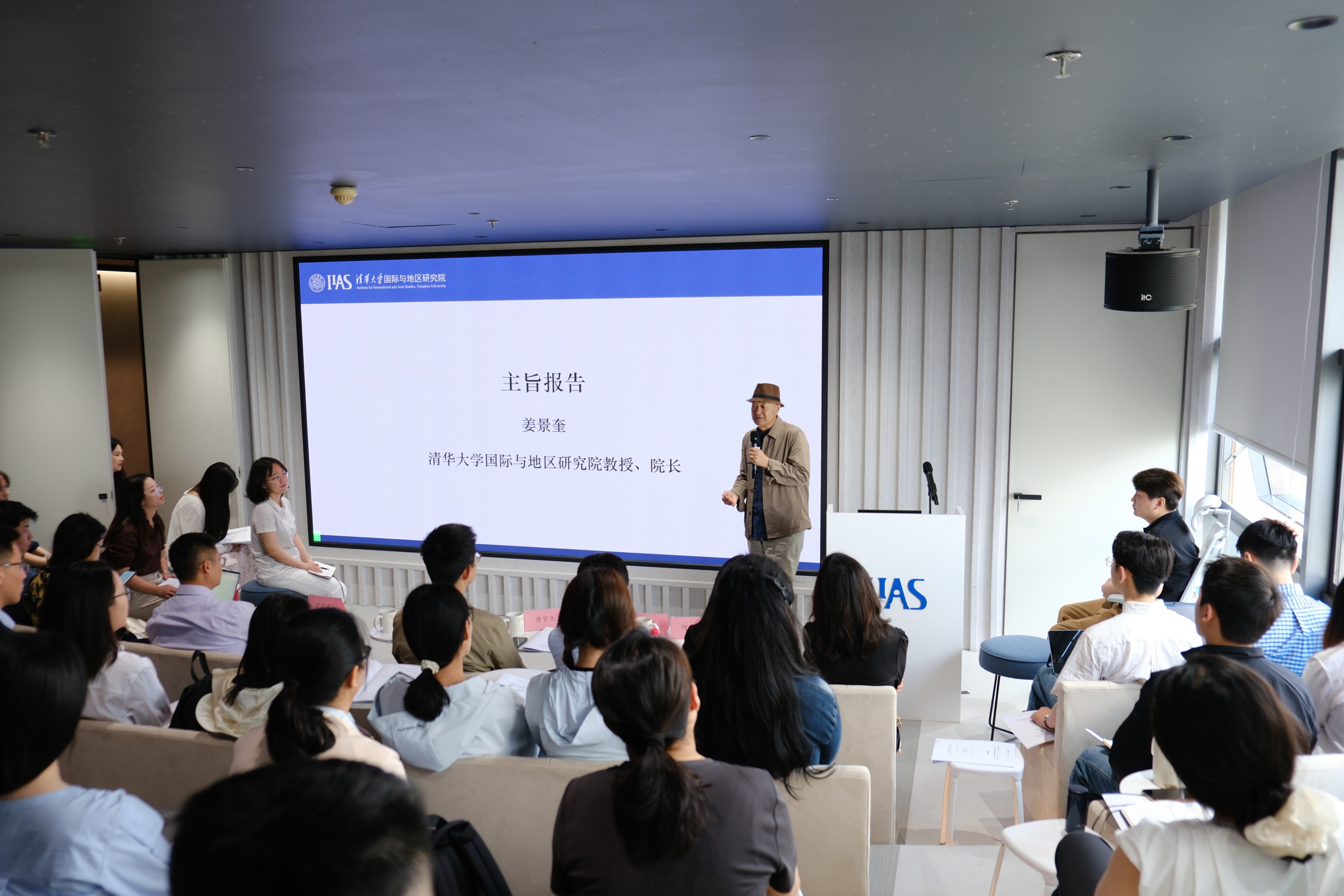
Jiang Jingkui delivering the keynote address
Yin Zhiguang's keynote focused on the intellectual concerns of area studies as a discipline. He argued that area studies is fundamentally concerned with how forms of shared social order are generated and sustained across different societies. Chinese area studies research, he suggested, should "take the world as its vocation" by exploring the possibilities of coexistence, collective construction, and common development through a deep understanding of specific regions, societies, and historical experiences. As China's interaction with the world continues to deepen, area studies, he noted, carries important significance for understanding China's relationship with the outside world, promoting exchanges and mutual learning among civilisations, and contributing to the building of a community with a shared future for humankind.
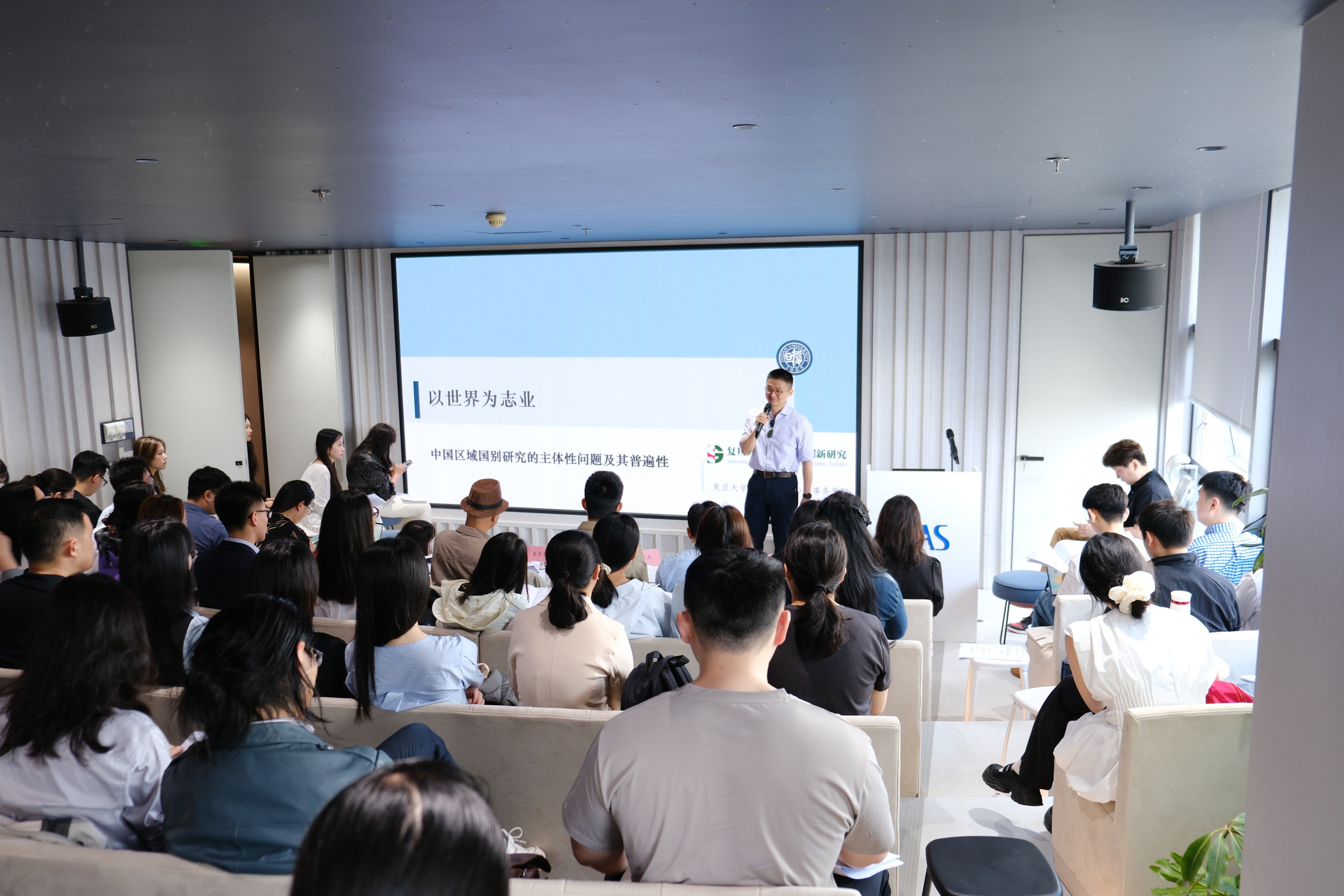
Yin Zhiguang delivering the keynote address
Following the opening ceremony, three parallel panel sessions were held in the morning, alongside a poster exhibition area. The panels focused respectively on political issues in area studies, development transformation and transregional interaction in the Global South, and social governance and institutional change. Drawing on case studies from different regions and countries, participating students presented research on topics including power structures, state governance, industrial transformation, technological change, social policy, and grassroots governance. Discussants offered detailed comments on research questions, source materials, argumentative structure, and academic writing.
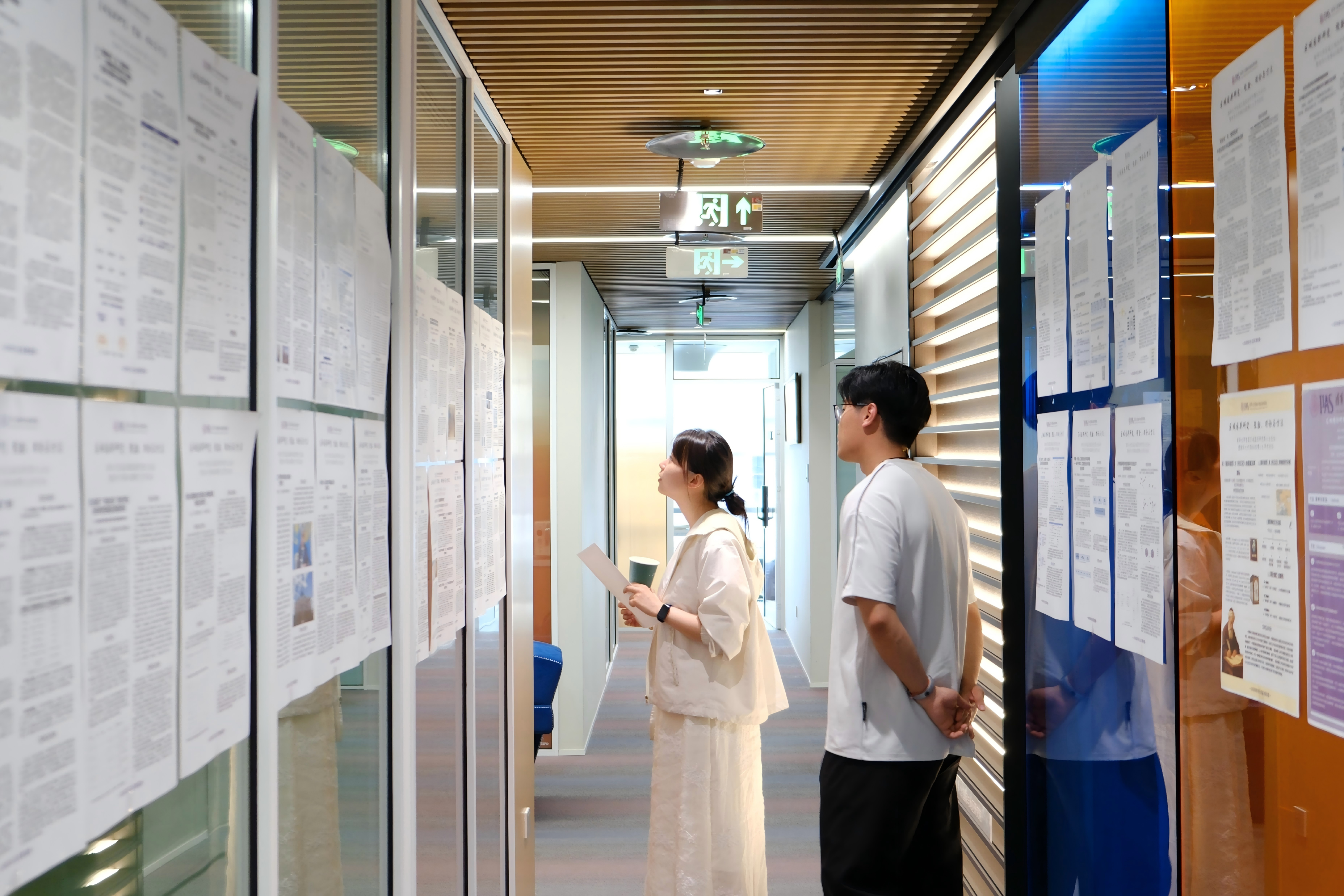
Poster exhibition
At noon, a special session entitled "Publishing Exchange: Editors Face to Face" was held in the lecture hall. The session focused on journal submission, academic publishing, and publication practices in area studies research. Li Zhonghai, Research Fellow at the Institute of Russian, Eastern European and Central Asian Studies of the Chinese Academy of Social Sciences and Executive Editor-in-Chief of Russian, East European & Central Asian Studies, delivered a presentation on journal submissions and engaged participants in extensive discussion on the appropriate use of AI in area studies scholarship. Song Song, Director of the Beijing Editorial Office of the Nanjing Branch of the Commercial Press, introduced the Press's publishing initiatives in area studies. Cheng Yuan, editor at the Politics Editorial Department (Area Studies Publishing Centre) of Encyclopedia of China Publishing House, shared the publisher's recent achievements and future plans in the field. Participating students engaged editors in lively discussion on topics including research topic selection, submission standards, peer review procedures, monograph publication, and the dissemination of academic achievements.
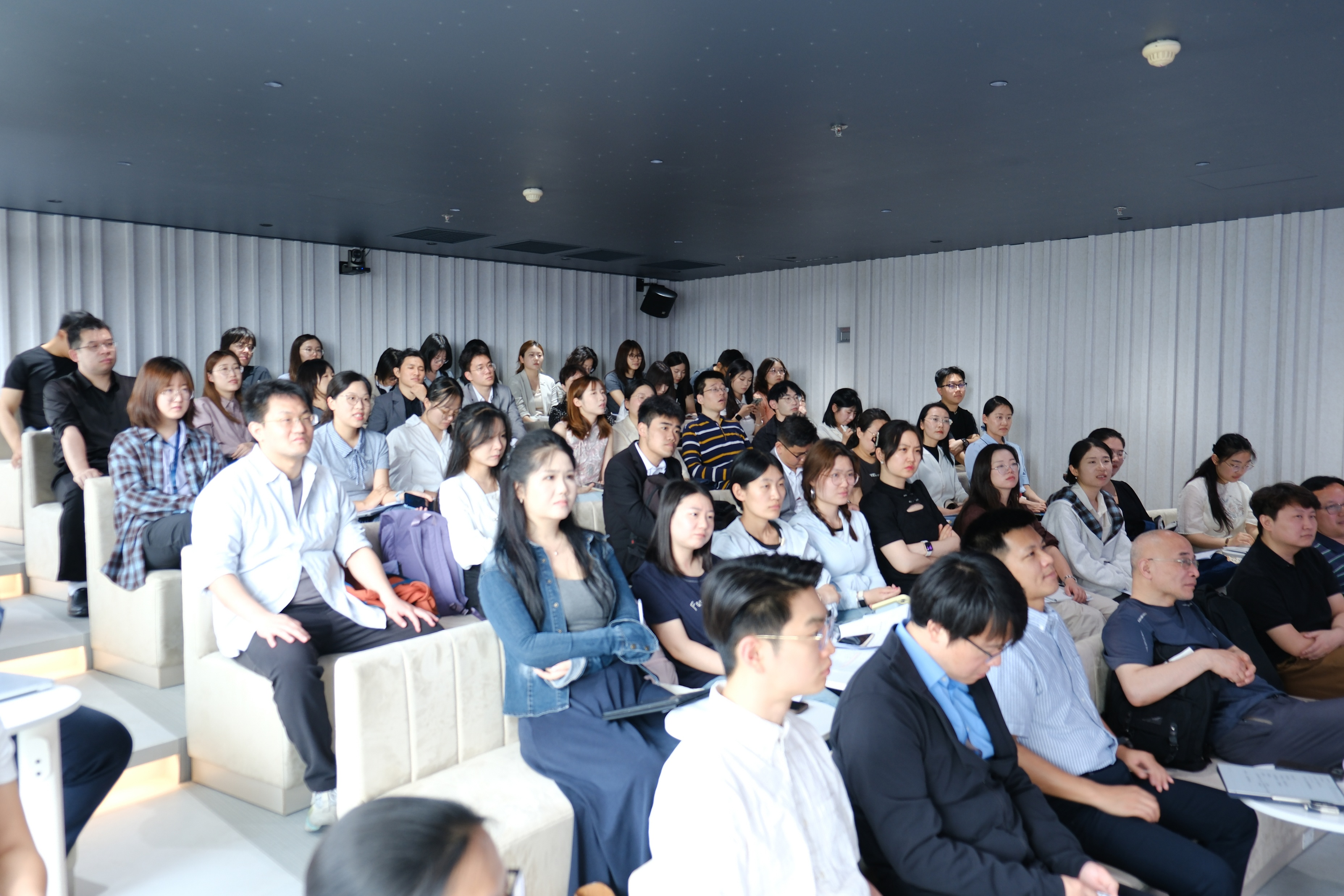
Scene from the exchange session
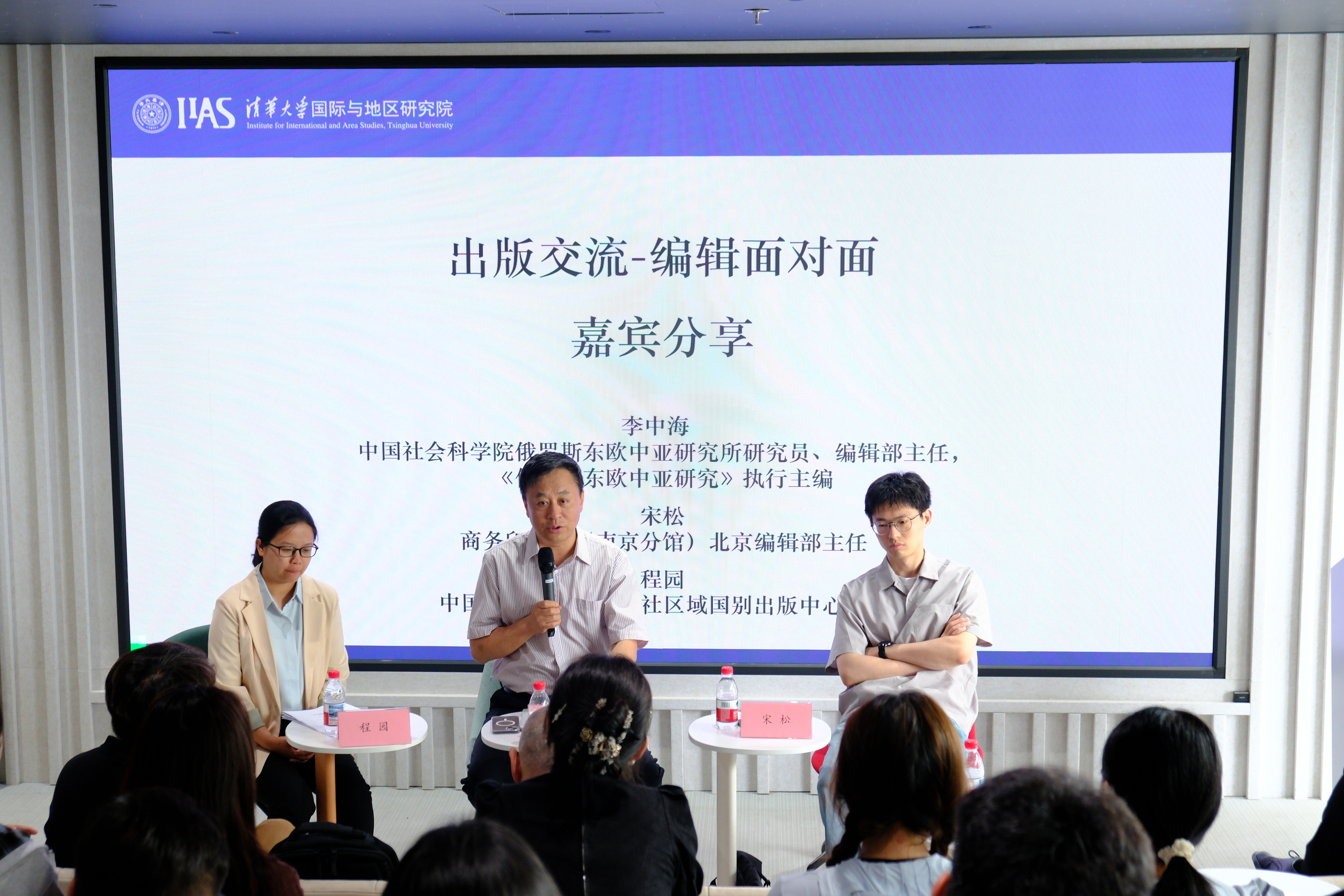
Guest speakers (from left to right: Cheng Yuan, Li Zhonghai, Song Song)
In the afternoon, three additional panel sessions were held. Topics included the politics of knowledge and cultural order in the Global South, the construction of autonomy and the reshaping of regional order in the Global South, and theories and methodologies in area studies. Drawing from disciplines such as history, political science, sociology, law, and management studies, participating students discussed issues including educational systems, cultural narratives, cross-border practices, digital governance, regional order, knowledge production, and disciplinary construction. The discussions highlighted the cross-regional, interdisciplinary, and multi-methodological character of area studies research. Expert commentators provided targeted suggestions regarding the collection of primary materials, the transformation of fieldwork data, methods of data presentation, analytical framework construction, and paper organisation.
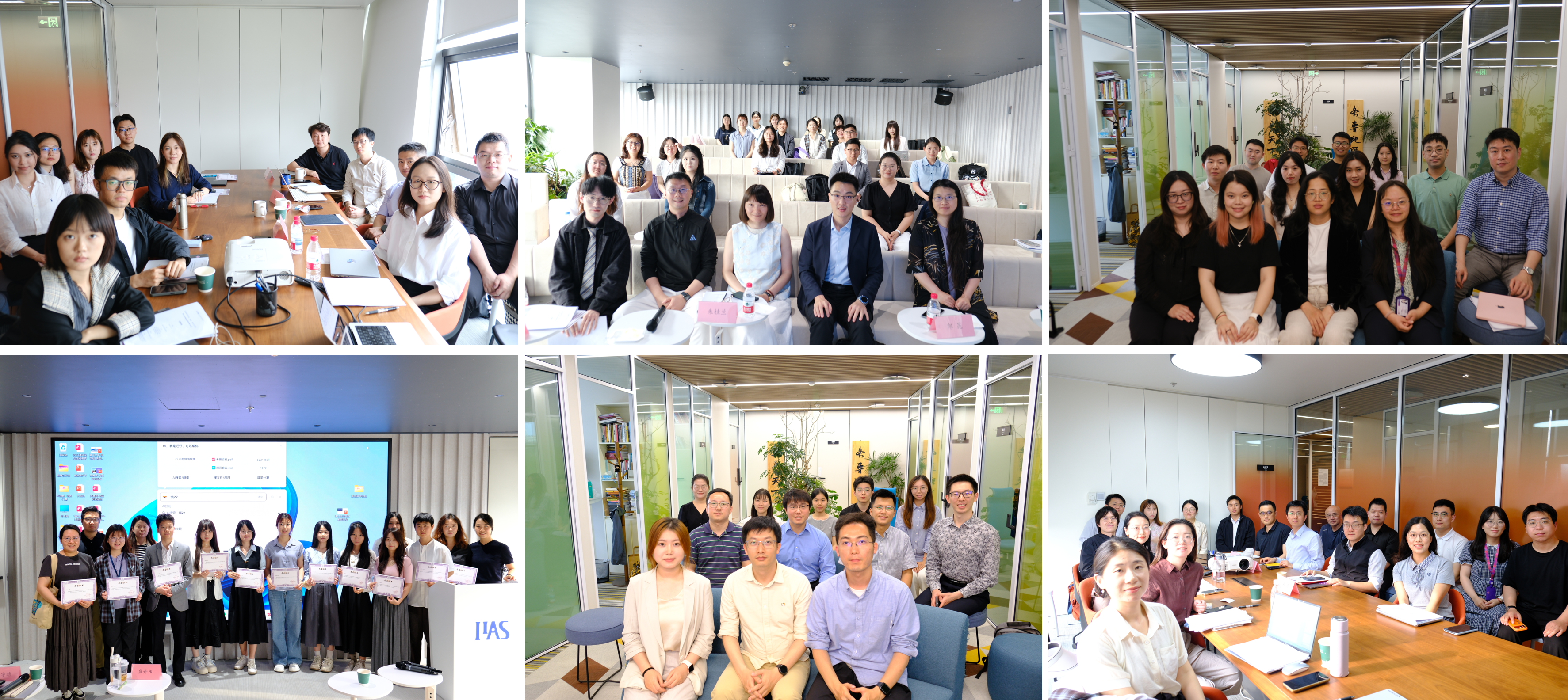
Group photos of the panel sessions
The closing ceremony was held in the IIAS lecture hall. Based on expert evaluations and participants' presentations, eleven papers were selected for the Outstanding Paper Award. He Xuebing, Party Branch Secretary and Associate Dean of IIAS, attended the closing ceremony and presented awards to the recipients.
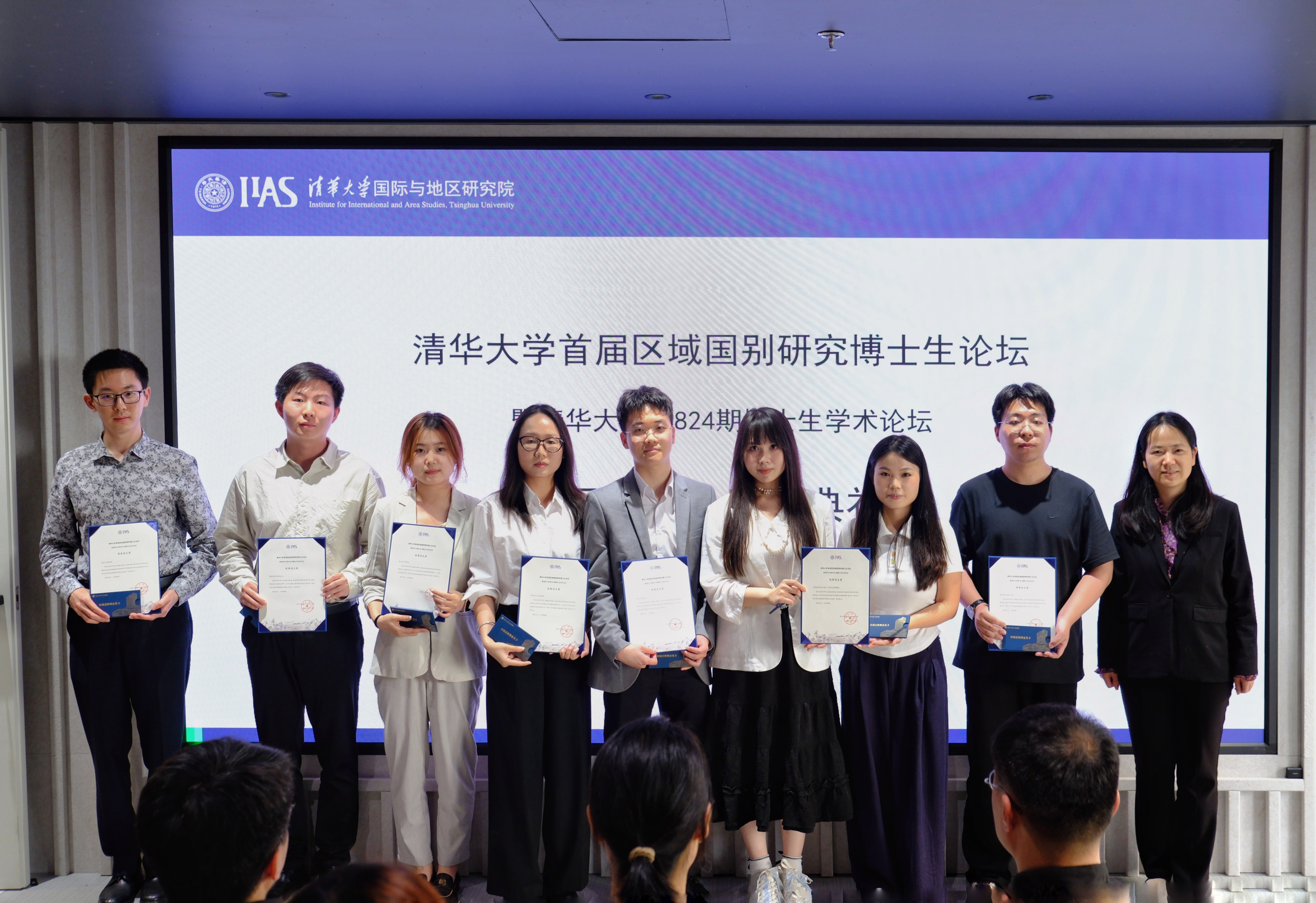
Award ceremony at the closing session
Since its establishment in 2002, the Tsinghua University Doctoral Academic Forum has continuously provided doctoral students with a high-level interdisciplinary platform for academic exchange and the presentation of research achievements. The year 2026 also marks the tenth anniversary of General Secretary Xi Jinping's important speech at the Symposium on Philosophy and Social Sciences, during which the development of philosophy and social sciences with Chinese characteristics has continued to deepen. Against this backdrop, area studies—as an emerging interdisciplinary field serving national strategic needs and responding to the challenges of the times—is entering a new stage of development.
In this context, the First Tsinghua Doctoral Forum on Area Studies and the 824th Tsinghua University Doctoral Academic Forum were organised by IIAS to provide doctoral students and young scholars in area studies with a platform for academic exchange, encouraging emerging researchers to engage the world from a China-based perspective and deepen scholarly dialogue through empirical research, theoretical construction, and methodological innovation.