On the evening of May 28, 2026, Session 3 of the Tsinghua Area Studies Lecture Series was held at Room 902, Building C, TusPark. Professor Gao Bai of the Department of Sociology at Duke University delivered a lecture entitled "Tensions Everywhere: Reflections on Building an Independent Knowledge System through Area Studies." Professor Zhang Yongle, Tenured Associate Professor at Peking University Law School, Executive Director of the Institute of Area Studies at Peking University, and doctoral supervisor, served as discussant. The event was attended by Feng Jinhong, Deputy Editor-in-Chief of SDX Joint Publishing Company and Editor-in-Chief of Dushu Magazine, and He Xuebing, Party Branch Secretary and Associate Dean of IIAS at Tsinghua University. More than seventy faculty members and students from both within and outside the University participated in the lecture. The event was moderated by He Yan, Assistant Professor at IIAS.
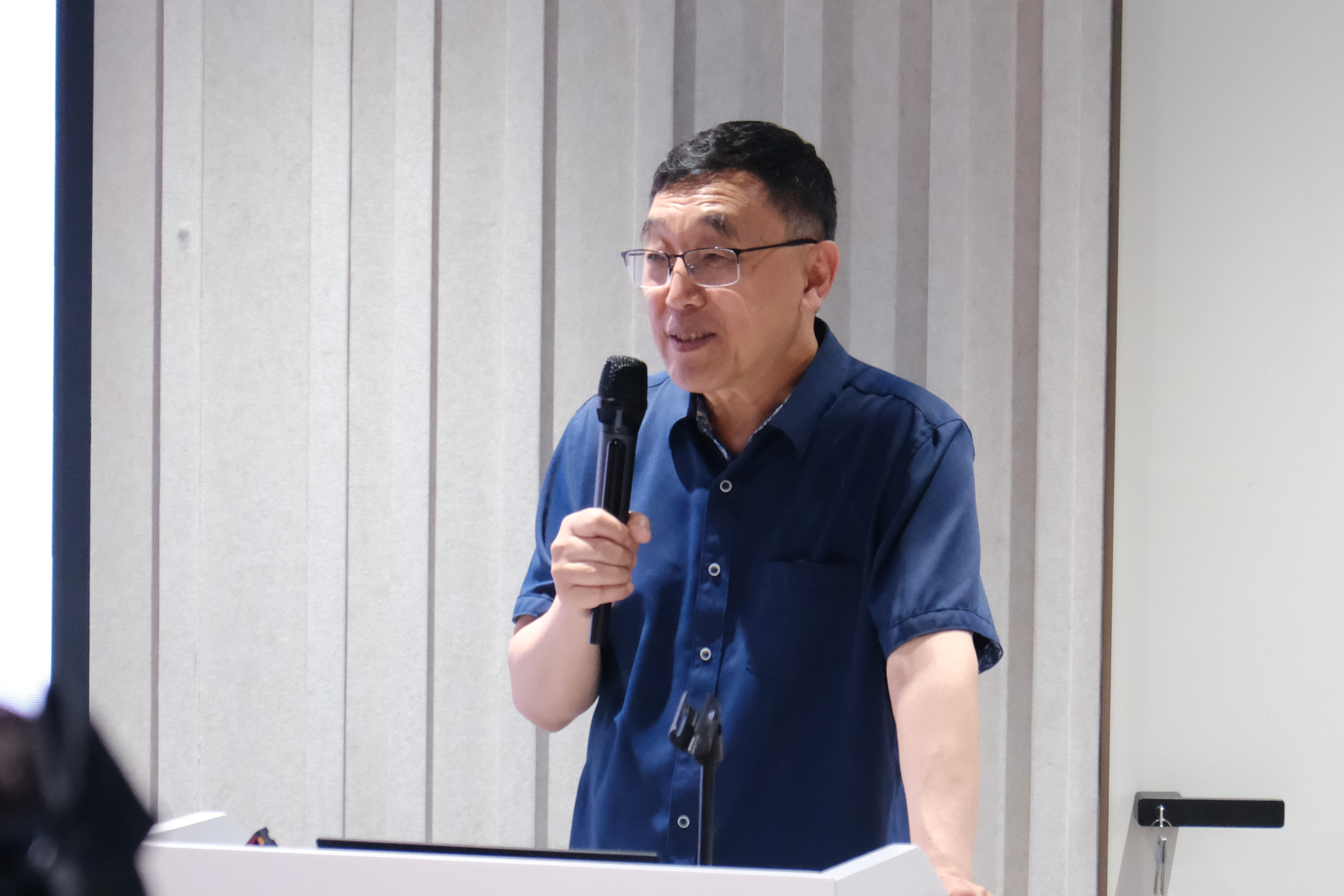
Professor Gao Bai delivering the lecture
In his lecture, Gao Bai focused on the challenges facing the construction of an independent knowledge system in area studies. He argued that, compared with many other academic disciplines, area studies confronts a more complex environment of knowledge production. On the one hand, like other fields, area studies must move beyond dependence on Western theoretical frameworks and develop research paradigms grounded in Chinese intellectual subjectivity. On the other hand, unlike disciplines that may focus exclusively on China, area studies often takes countries of the Global South as its primary objects of inquiry. If these countries are treated merely as "data" "cases" or "objects of governance," while researchers retain sole authority over naming, categorising, and interpreting them, then replacing Western theories with Chinese ones may simply reproduce the risks of ethnocentrism and "othering" that Western scholarship has historically faced.
Gao further noted that building an independent knowledge system requires more than substituting Western theories with Chinese narratives or concepts. It also demands critical reflection on who holds interpretive authority, who sets research agendas, and how concepts are generated. Chinese area studies, he argued, should pay greater attention to the historical experiences, value systems, intellectual traditions, and contemporary concerns of the societies under study. This entails collaborative agenda-setting, conceptual translation and mutual verification, as well as the cultivation of transnational communities of knowledge production.
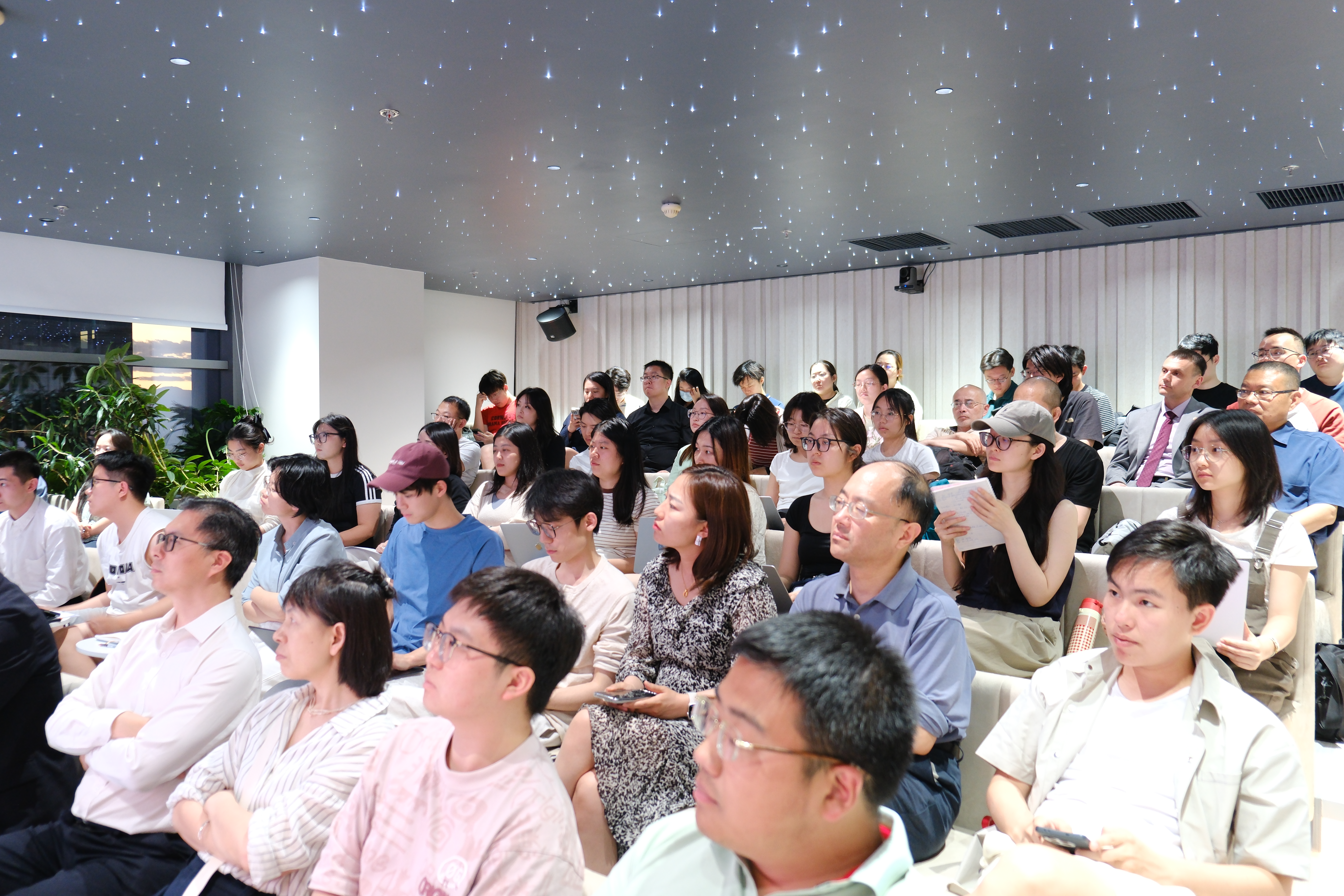
Audience members attending the lecture
However, as Gao observed in his article "Theory versus Method: Three Debates in the History of American Area Studies," published three years ago, the development of area studies is shaped not only by the value systems and structural conditions of the societies being studied, but also by foreign policy and international relations. While Chinese area studies should certainly take the concerns of research subjects seriously, this position encounters important practical limitations. First, many elites in the Global South have received Western education and often analyse domestic and international affairs through Western intellectual frameworks. Second, as illustrated by the recent rise of resource nationalism, China may also face direct conflicts of interest with countries in the Global South. Finally, many of these countries remain deeply embedded within a Western-led international order. Motivated by their own interests, they frequently adjust their positions between China and the West in pursuit of strategic advantage.
Gao argued that for China to exert greater international influence, it must not only develop an independent knowledge system in area studies, but also ensure that the ideas embodied in that system are supported by international institutions. This requires a clear vision of future international order and China’s role within it. Without systematic thinking about the future of global order, area studies risks remaining fragmented, reactive, and event-driven, making it difficult to develop a cumulative and expandable body of knowledge. To identify genuine avenues for intellectual growth, Chinese area studies must devote greater attention to questions concerning future international institutions, governance arrangements, and rule-making processes.
During the discussion session, Zhang Yongle responded to Gao's presentation from the perspective of the relationship between international law and area studies. He argued that the two fields are engaged in a process of mutual enrichment. Area studies emphasises in-depth understanding of the political, economic, cultural, and normative realities of specific societies, while international law focuses on the construction of universal rules and international order. China's growing practical needs in areas such as foreign-related rule of law, area studies law, global governance, and international rule-making, he suggested, have created new opportunities for interdisciplinary collaboration between area studies and legal scholarship.
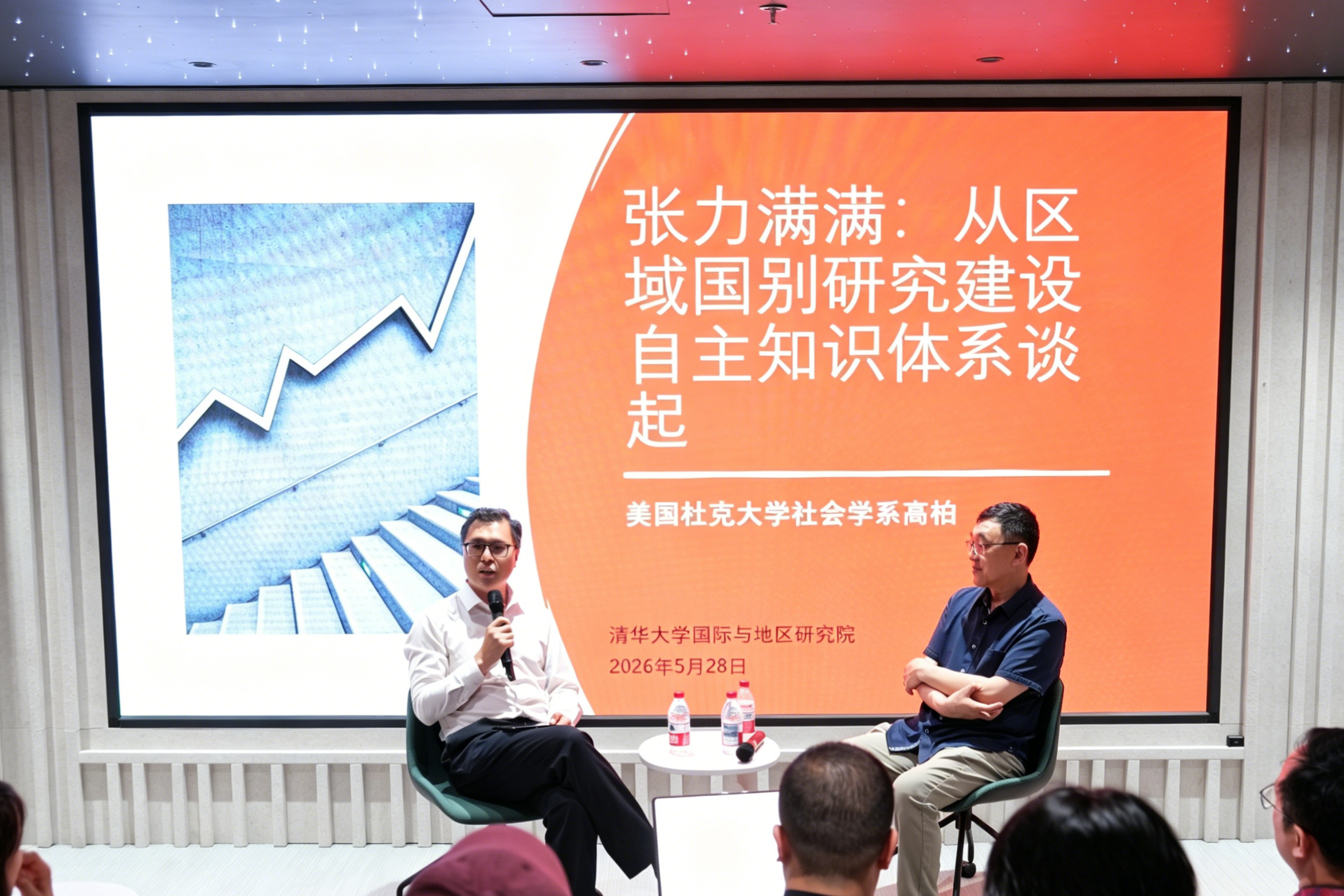
Discussion session
Zhang further argued that area studies should seek not only to understand what is happening in a particular country, but also how that country understands rules, order, and development. Only through a deeper grasp of how different societies perceive international law, international organisations, and global governance can meaningful communication, translation, and negotiation take place in future rule-making processes. He noted that China's vision of a community with a shared future for humankind, together with the Global Development Initiative, Global Security Initiative, Global Civilisation Initiative, and other related proposals, has opened up new intellectual space for collaboration between area studies and international law in the shaping of international order.
During the Q&A session, faculty members and students engaged the speaker and discussant on topics including the driving forces behind the construction of independent knowledge systems, experiences of knowledge-system building in countries such as Japan and South Korea, the relationship between American area studies and hegemonic order, the limitations and potential breakthroughs of developmental state theory, Western influences on knowledge production in the Global South, and changes in international organisations and global governance. Drawing on examples such as Nihonjinron (theories of Japanese uniqueness), American modernisation theory, developmental states, industrial policy, and the evolution of U.S. hegemonic order, Gao responded to these questions in detail.
The discussion remained lively and continued for more than two hours. The event concluded with a group photograph of the speakers, guests, and participants.
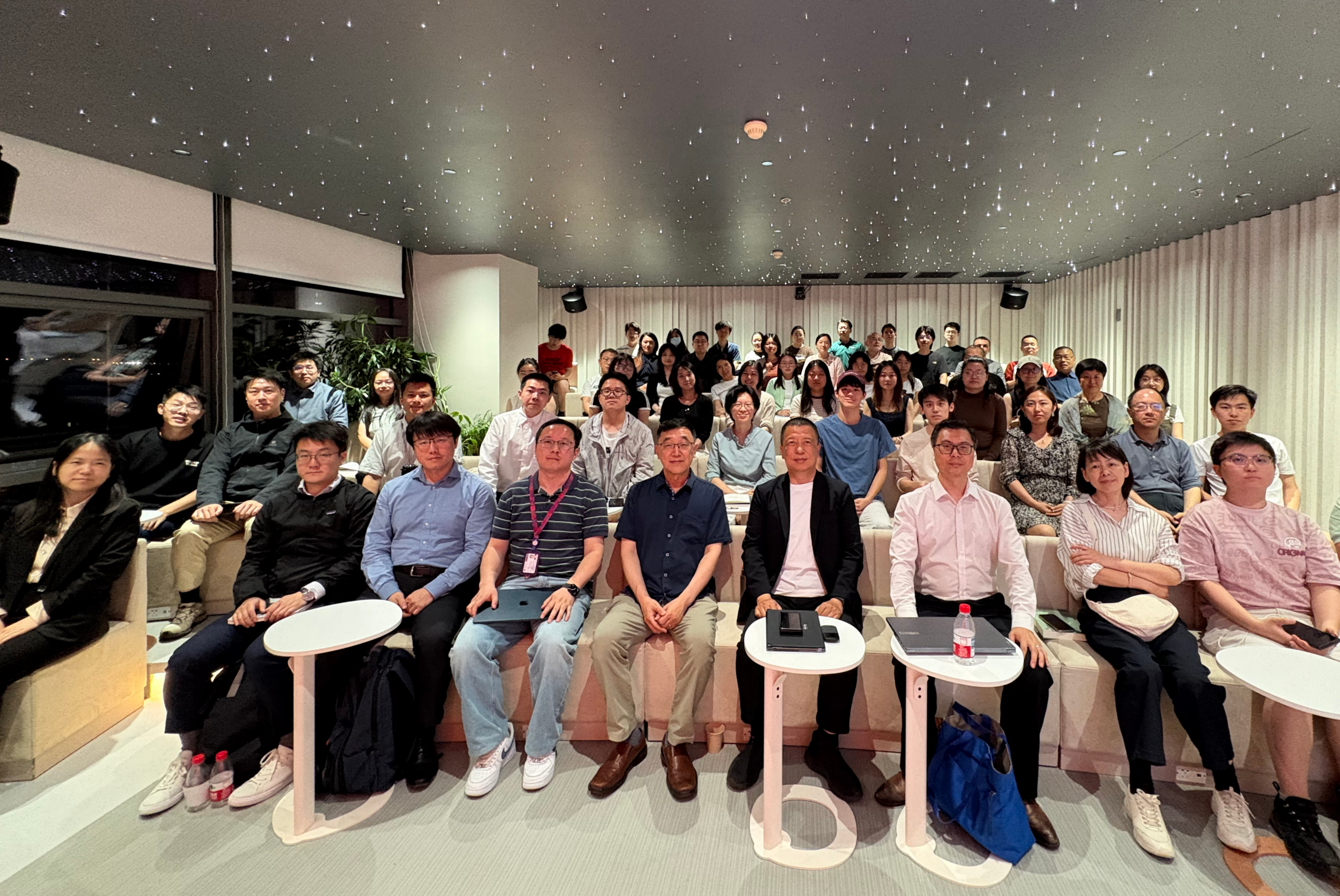
Group photo of participants