On June 8, IIAS held the fourth session of the Tsinghua Area Studies Academic Salon. The event, titled “Distributional Politics in Türkiye from a Global South Perspective,” featured Hu Shulei, a doctoral student at IIAS, as the keynote speaker, and was moderated by Yuan Mengqi, Assistant Professor at IIAS. More than a dozen faculty members and students from within and outside the University participated in the discussion.
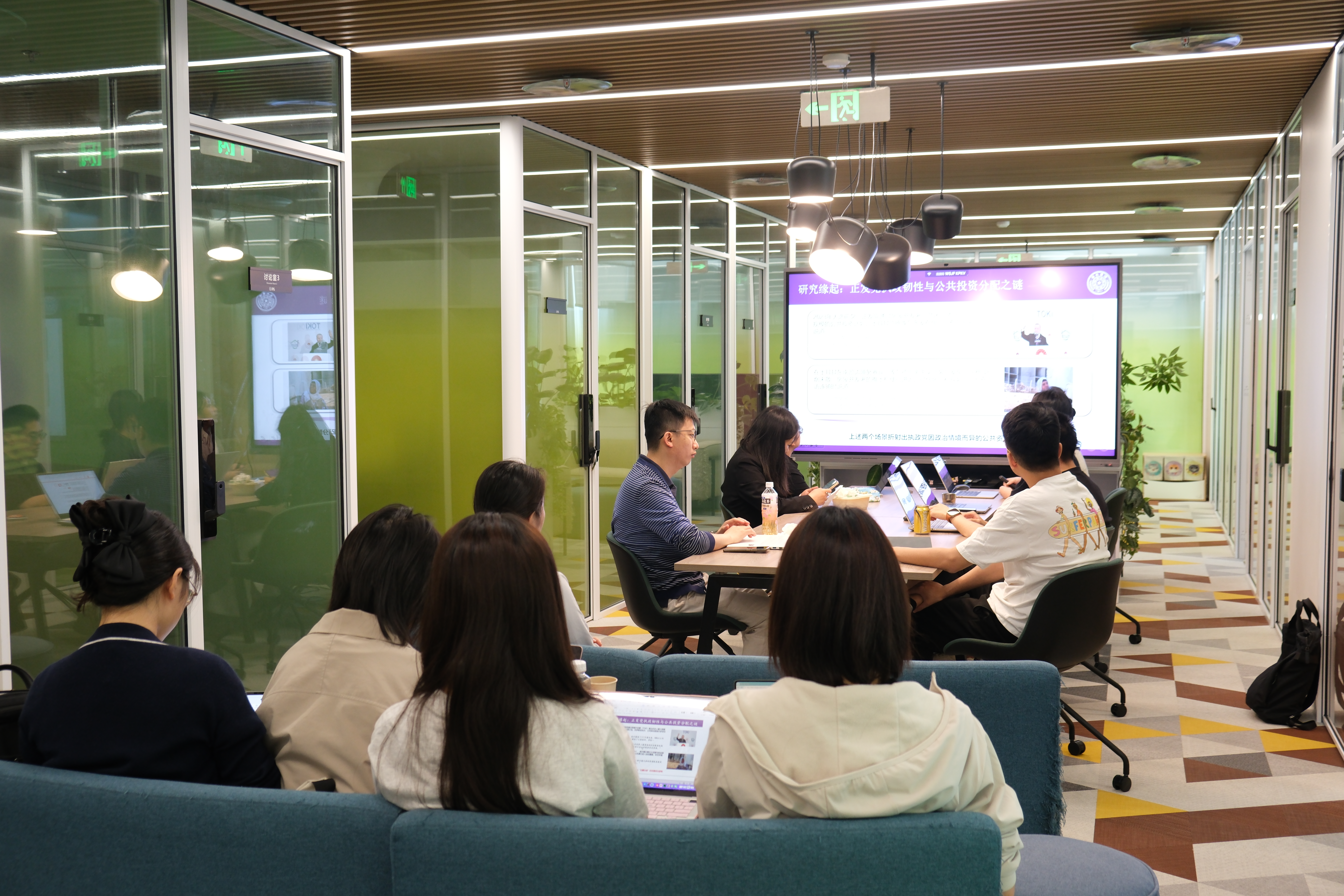
Scene from the salon
Drawing on the theoretical framework of distributional politics in the Global South, Hu Shulei focused on local public goods provision in Türkiye. She noted that the collective rise of the Global South has coincided with persistent internal inequalities in resource distribution. Existing studies of distributional politics often take for granted the resource abundance and institutionalised electoral competition characteristic of developed countries, paying insufficient attention to the complex realities of the Global South, including limited fiscal resources, the distributive challenges associated with transplanted electoral institutions, and the difficulties of resource allocation in ethnically divided societies. Using local public goods provision under the Justice and Development Party (AKP) as a point of departure, Hu examined how the ruling party maintained long-term political resilience through differentiated patterns of public investment allocation under the dual political pressures of electoral competition and Kurdish separatist violence. Combining the dynamics of electoral politics with those of ethnic conflict management, the Turkish case offers a distinctive empirical setting for testing and extending theories of distributional politics in the Global South.
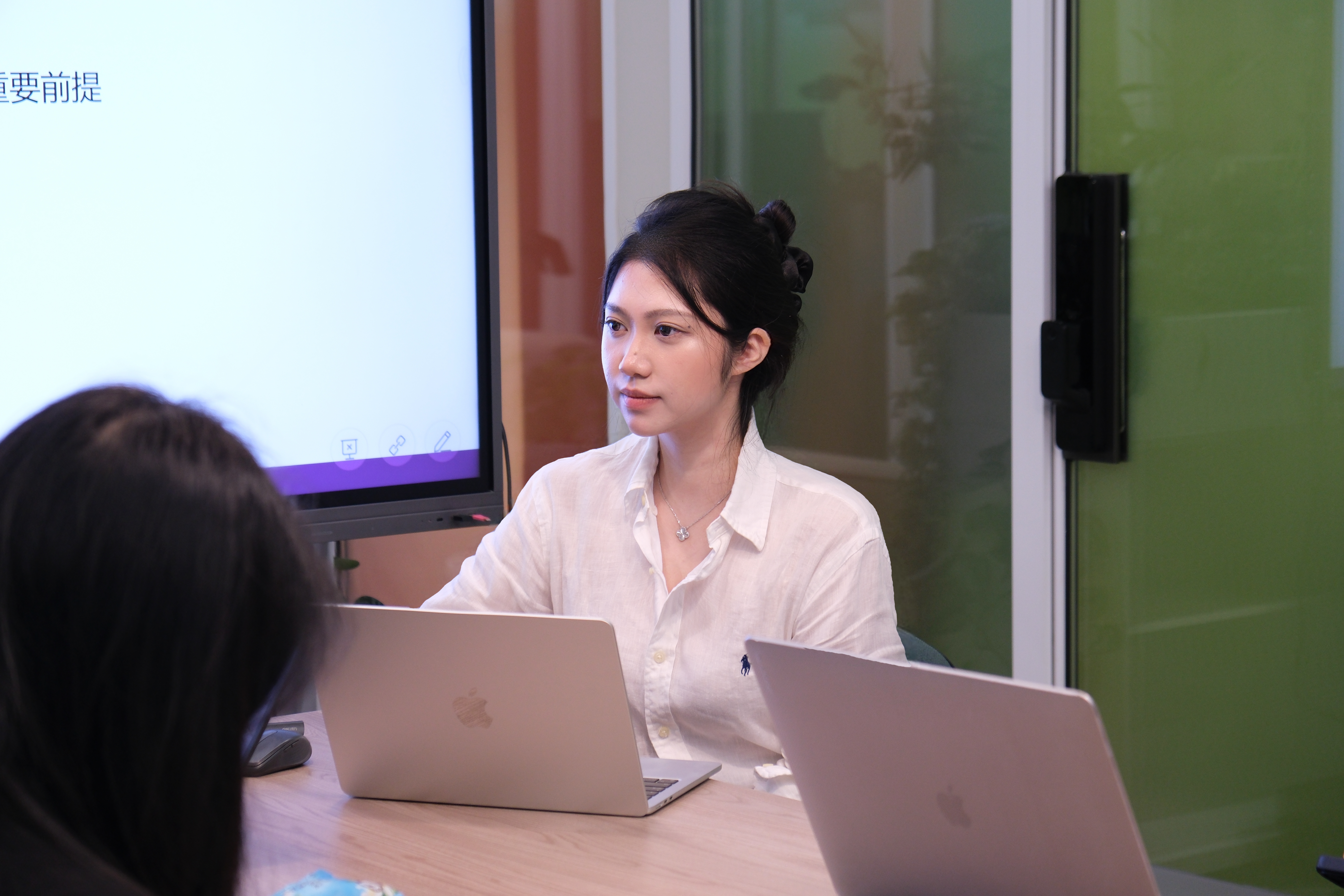
Hu Shulei delivering the presentation
During the discussion session, Hu engaged with faculty members and students on topics including data collection, fieldwork methodology, cross-national comparison, and causal mechanisms. She emphasised that research on distributional politics is highly context-dependent and that meaningful cross-country comparisons must be grounded in a deep understanding of the historical trajectories and contemporary political realities of the countries under study. This, she argued, highlights the value of dialogue between area studies and the study of distributional politics.
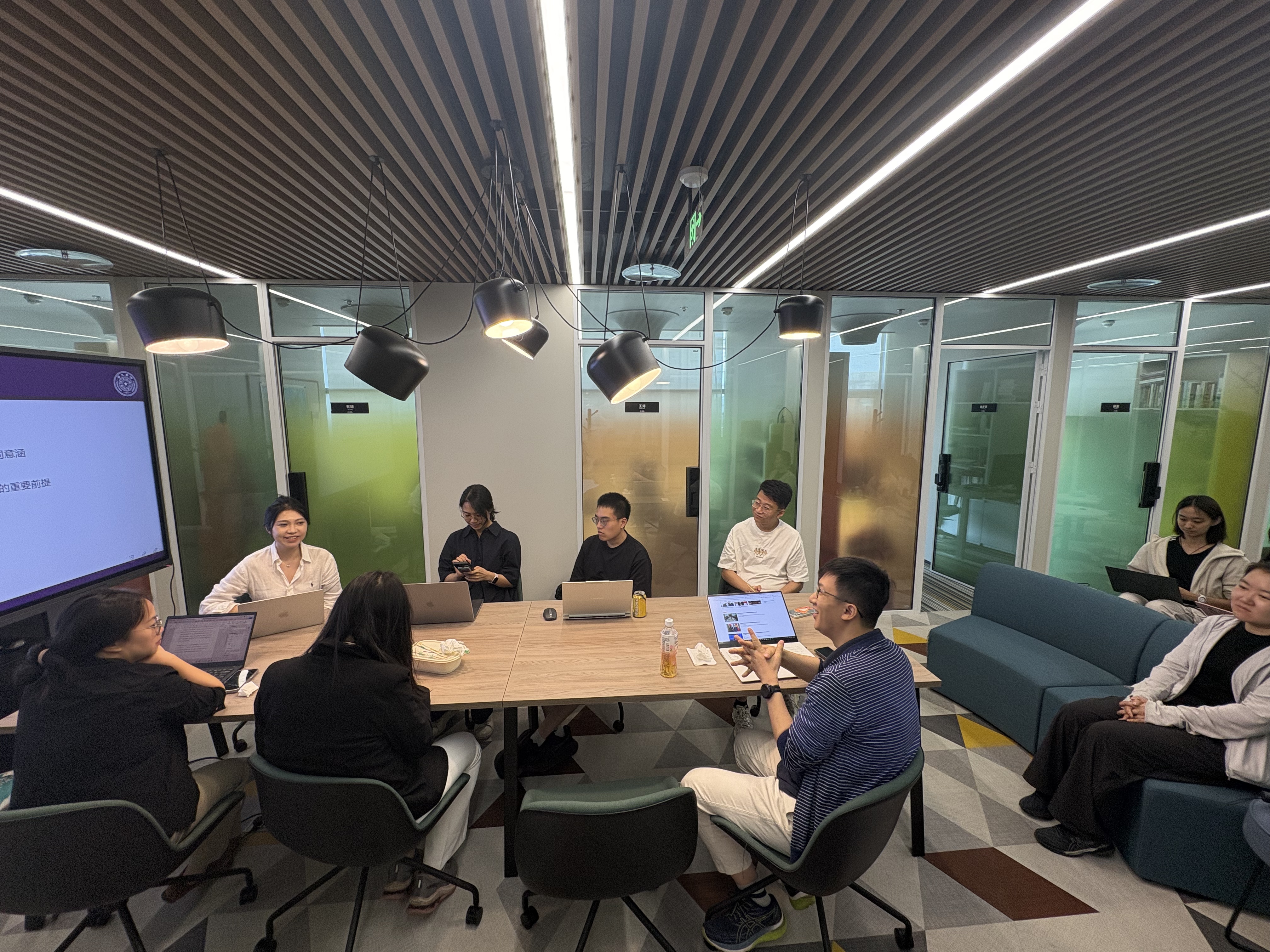
Discussion with faculty and students
The Tsinghua Area Studies Academic Salon will continue to be held regularly, bringing together emerging scholars for interdisciplinary dialogue on frontier issues and contributing to the development of an independent Chinese knowledge system in area studies.