On 3 September 2026, the Institute for International and Area Studies (IIAS) at Tsinghua University held a field reserarch experience-sharing session for the autumn semester of 2026. Professor Jiang Jingkui, Dean of IIAS, He Xuebing, Party Branch Secretary and Associate Dean, faculty representatives, student representatives, and doctoral students preparing to undertake field research overseas this semester attended the session.
During the session, six students preparing to conduct field research in Oman, India, Pakistan, Sri Lanka, Colombia, Egypt and other countries introduced their respective field research plans and sought advice from faculty and fellow students on potential challenges. Faculty members and doctoral students who had completed field research shared their valuable experiences in field notes, interview arrangements, access to archival materials, cross-cultural adaptation, and safety overseas, drawing on their own experiences.
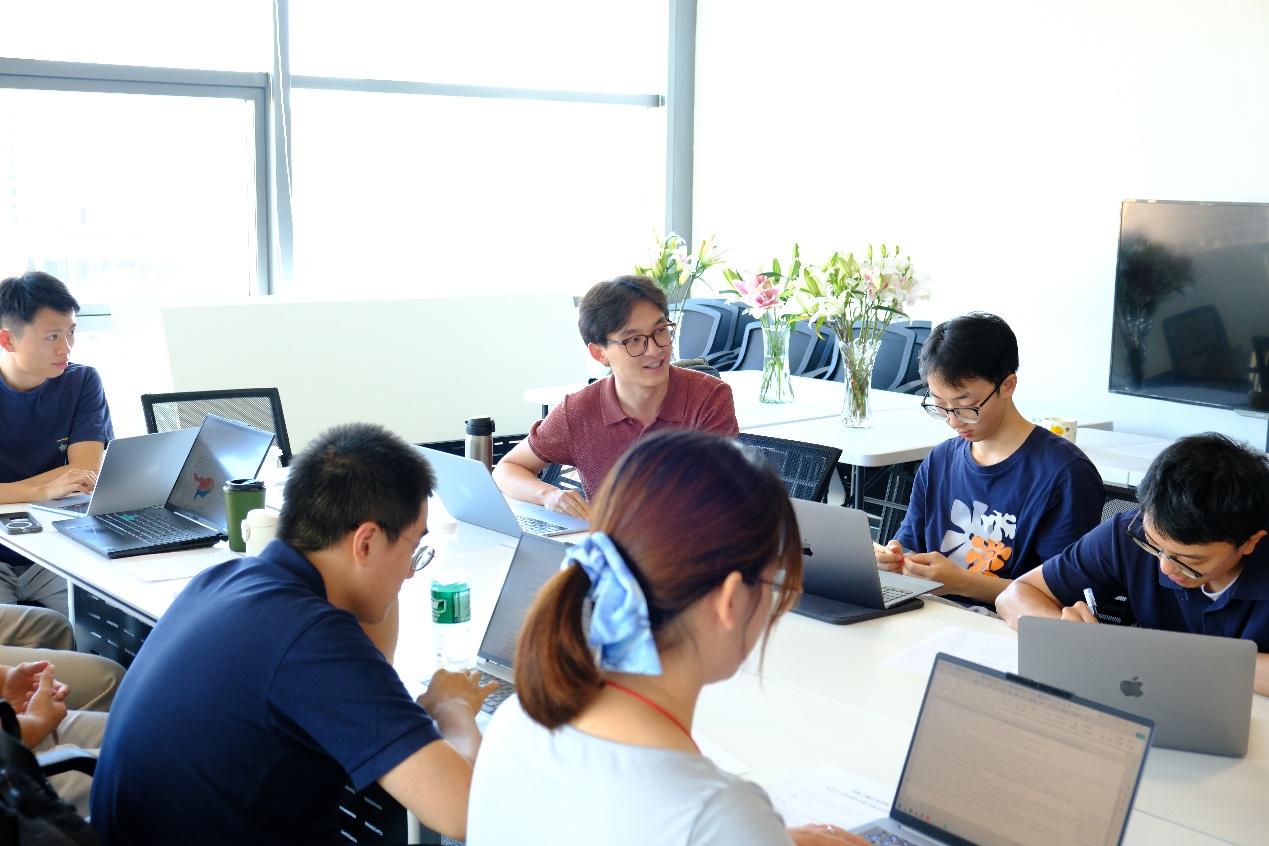 Students seeking advice on field research
He Xuebing noted that the session was an important initiative by IIAS to further strengthen its distinctive approach to talent cultivation through field research. She encouraged students to maintain a strong awareness of research questions, enhance their initiative and independence, and genuinely immerse themselves in and observe local societies. She said that IIAS would continue to organise academic exchanges and strengthen guidance and support for students undertaking field research.
Drawing on his extensive experience of long-term field research overseas, Jiang Jingkui delivered concluding remarks. He first recalled his experience of conducting 20 consecutive months of field research in India in the early period of China’s reform and opening up, noting that the learning and knowledge accumulated through field research constitute a valuable asset that benefits researchers throughout their lives. He stressed that field research is the “primary academic driver” of area studies, and that only by genuinely entering the countries under study and engaging deeply with local societies can researchers develop a profound and concrete understanding. He encouraged students to overcome the loneliness that can accompany long-term field research overseas, make full use of their language skills and social abilities, and strive to become “more local than the locals”.
Jiang Jingkui noted that field research should be closely integrated with one’s long-term academic development, so that observations and reflections in the field can be accumulated as academic knowledge and transformed into research achievements. He also reminded students to attach great importance to their physical and mental well-being and information security during field research overseas, and to always conduct field research safely, properly and rigorously.
Finally, Jiang Jingkui stressed that Tsinghua University and IIAS have always attached great importance to field research and will continue to provide robust institutional support and financial assistance, enabling students to become deeply rooted in local communities, devote themselves to research, and make high-quality contributions to national strategic needs.
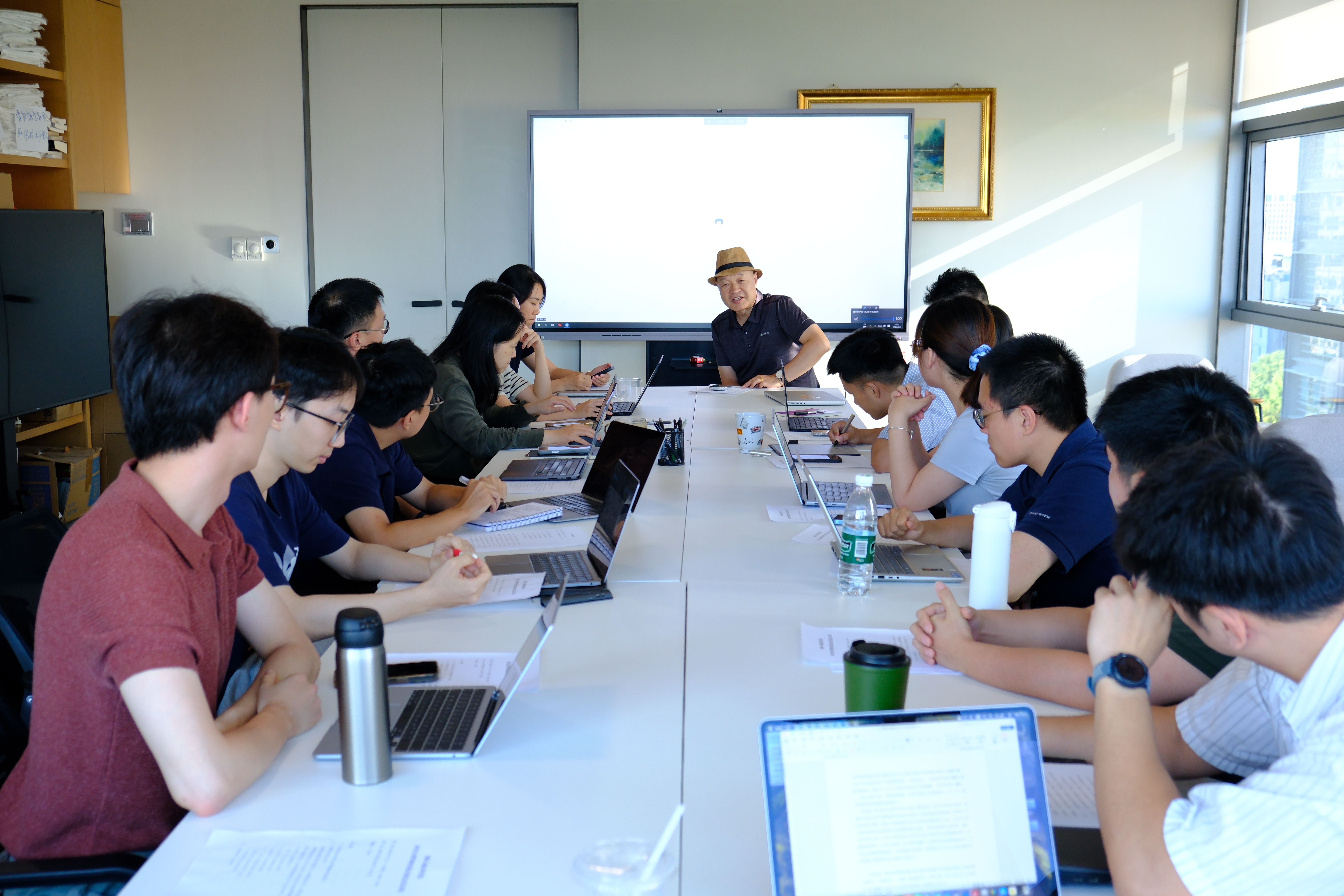 Faculty and students exchanging field research experiences