On the afternoon of 23 September, the Party Branch of the Institute for International and Area Studies (IIAS) organised faculty and students to visit the Tsinghua Humanities Centennial Exhibition. Through valuable historical materials, archival footage and academic publications, faculty and students looked back on the century-long development of the humanities at Tsinghua, experiencing the university’s rich humanistic tradition and its enduring commitment to scholarship at the intersection of history and the present.
The exhibition is organised around six thematic sections: “The Dignity of Our University”, “Tsinghua by the Waterside”, “The Greatness of a University”, “Cultivating Virtue and Advancing Knowledge”, “Within and Beyond the Campus”, and “Striving Forward with Unremitting Vigour”. It provides a systematic account of the development of the humanities at Tsinghua, highlighting important humanities landmarks, leading scholars and representative academic achievements, and presenting the historical trajectory of the transmission and development of humanistic scholarship at Tsinghua over the past century.
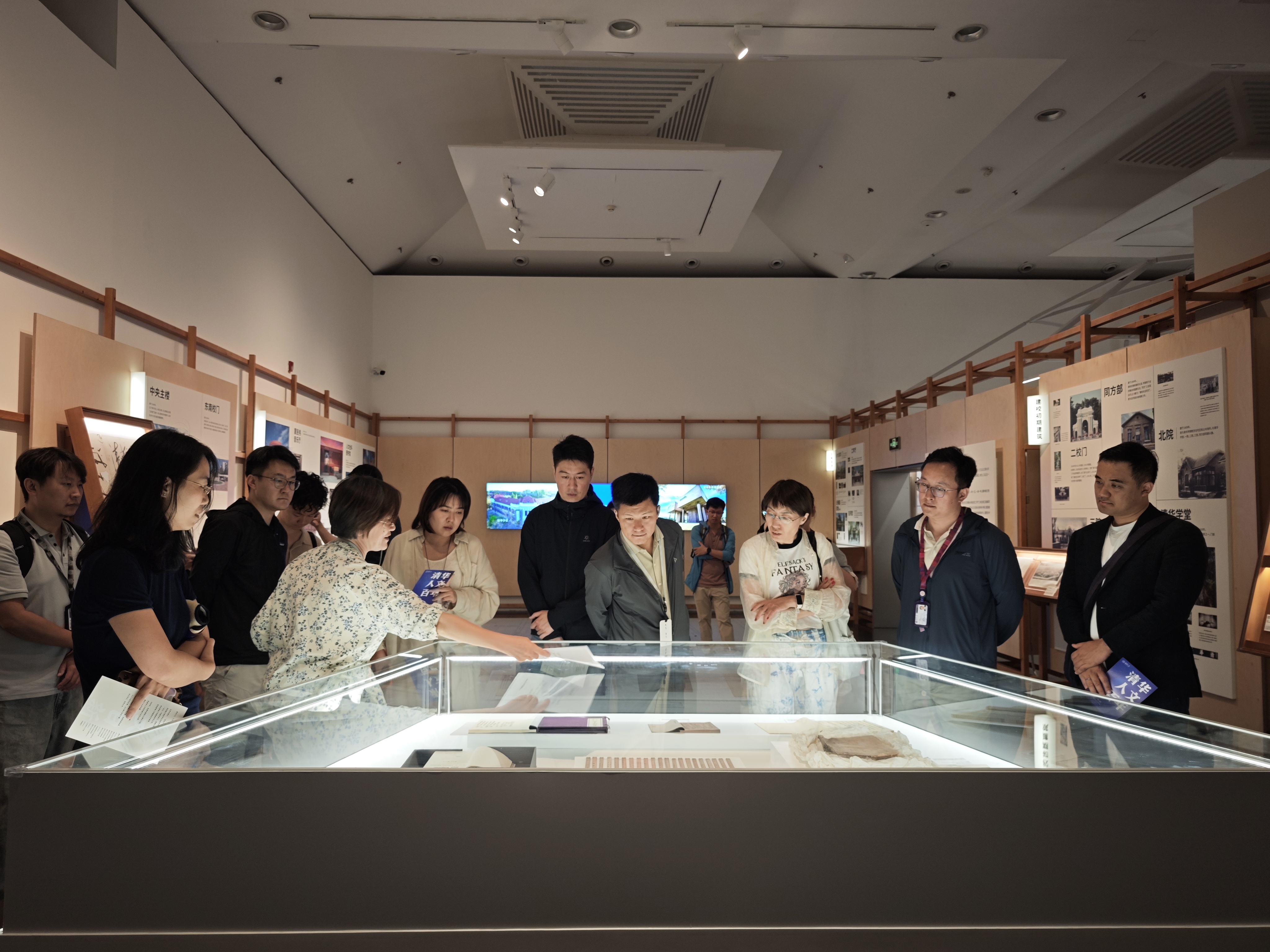 Faculty and students visiting the exhibition
During the visit, faculty and students carefully viewed the exhibits, pausing from time to time for discussion. By revisiting the history of the university and the development of its academic disciplines, they gained a deeper understanding of the formation and transmission of Tsinghua’s humanistic tradition, as well as a more vivid appreciation of Tsinghua scholars’ commitment to rigorous scholarship, the pursuit of virtue and the advancement of knowledge, and their spirit of striving forward with unremitting vigour and taking responsibility in response to the demands of the times.
The exhibition’s presentation of the establishment and development of IIAS, as well as its work in conducting area studies through fieldwork and exploring pathways for discipline development, attracted particular attention from faculty and students. These exhibits not only demonstrate the continuation of Tsinghua’s humanistic tradition in contemporary academic practice, but also provide a more direct understanding of the significance of grounding area studies in fieldwork, engaging deeply with the wider world, and gaining an understanding of different countries and regions through practice.
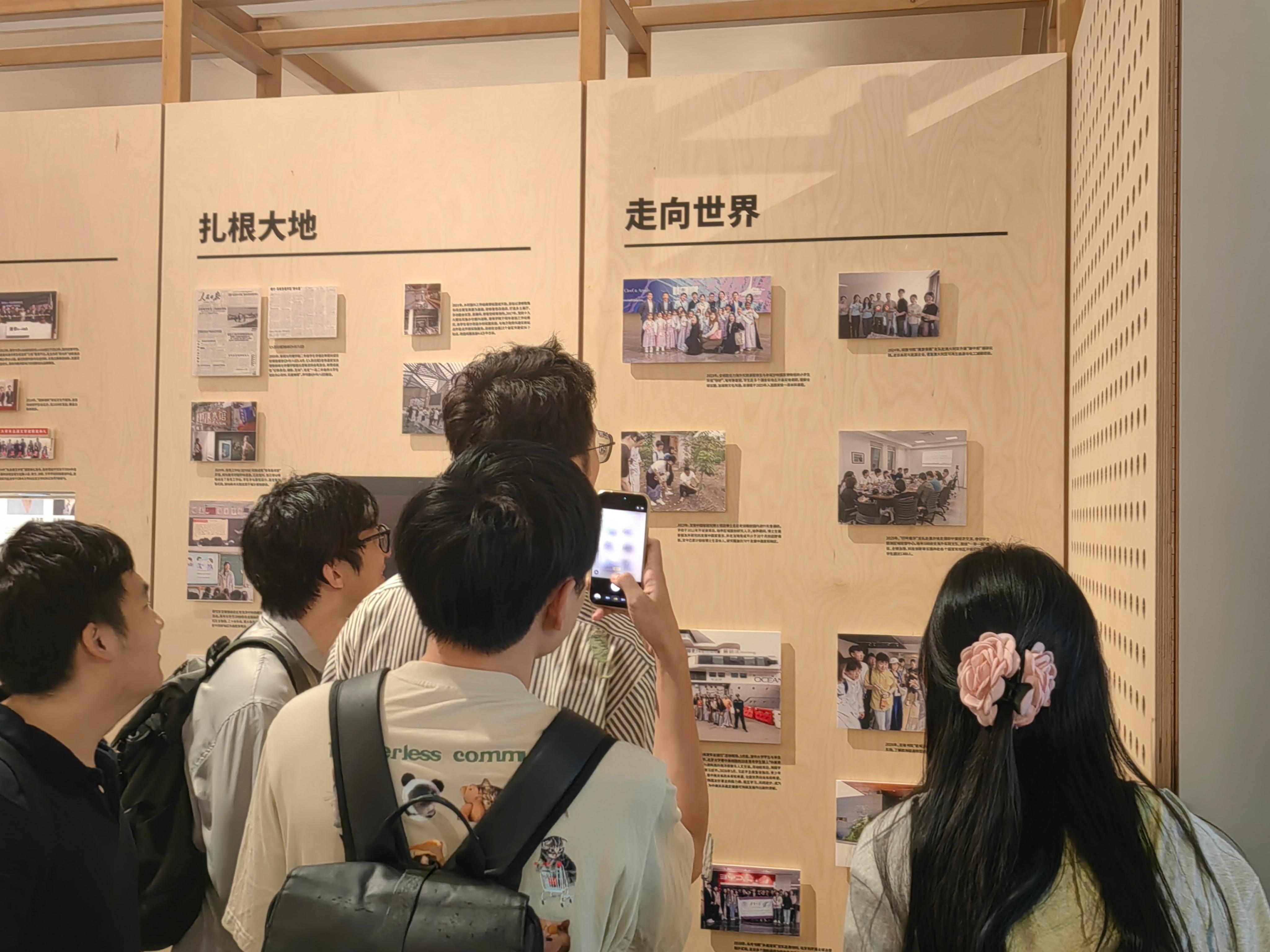 Students posing for a photo in front of photographs related to the Doctoral Program in Developing Country Studiess
A century of humanities, with the torch passed from one generation to the next. Tsinghua’s humanistic tradition is not merely a history worth looking back on; it continues to nourish academic research and talent cultivation today. The visit further deepened faculty and students’ understanding of Tsinghua’s humanistic tradition and its relevance to the present day. They expressed their commitment to drawing strength from the century-long development of the humanities at Tsinghua, carrying forward the spirit of “cultivating virtue and advancing knowledge” and “striving forward with unremitting vigour”, and upholding rigour, truth-seeking, integrity and innovation in area studies. Through more grounded fieldwork and academic research, they will seek to understand the world and engage with it, integrate their individual academic pursuits with the needs of national development and the times, and fulfil their mission of cultivating virtue and nurturing talent.