On 30 October, the Institute for International and Area Studies (IIAS) at Tsinghua University held the sixth session of the Tsinghua Area Studies Academic Salon, entitled “Curry, Coffee and the Ganges: Everyday Life and Unexpected Encounters in the Field Research in India”. Tan Yiqian, a doctoral student at IIAS, delivered the talk, which was chaired by Yuan Mengqi, Assistant Professor at IIAS. More than 20 faculty members and students from Tsinghua and other institutions took part in the in-person discussion.
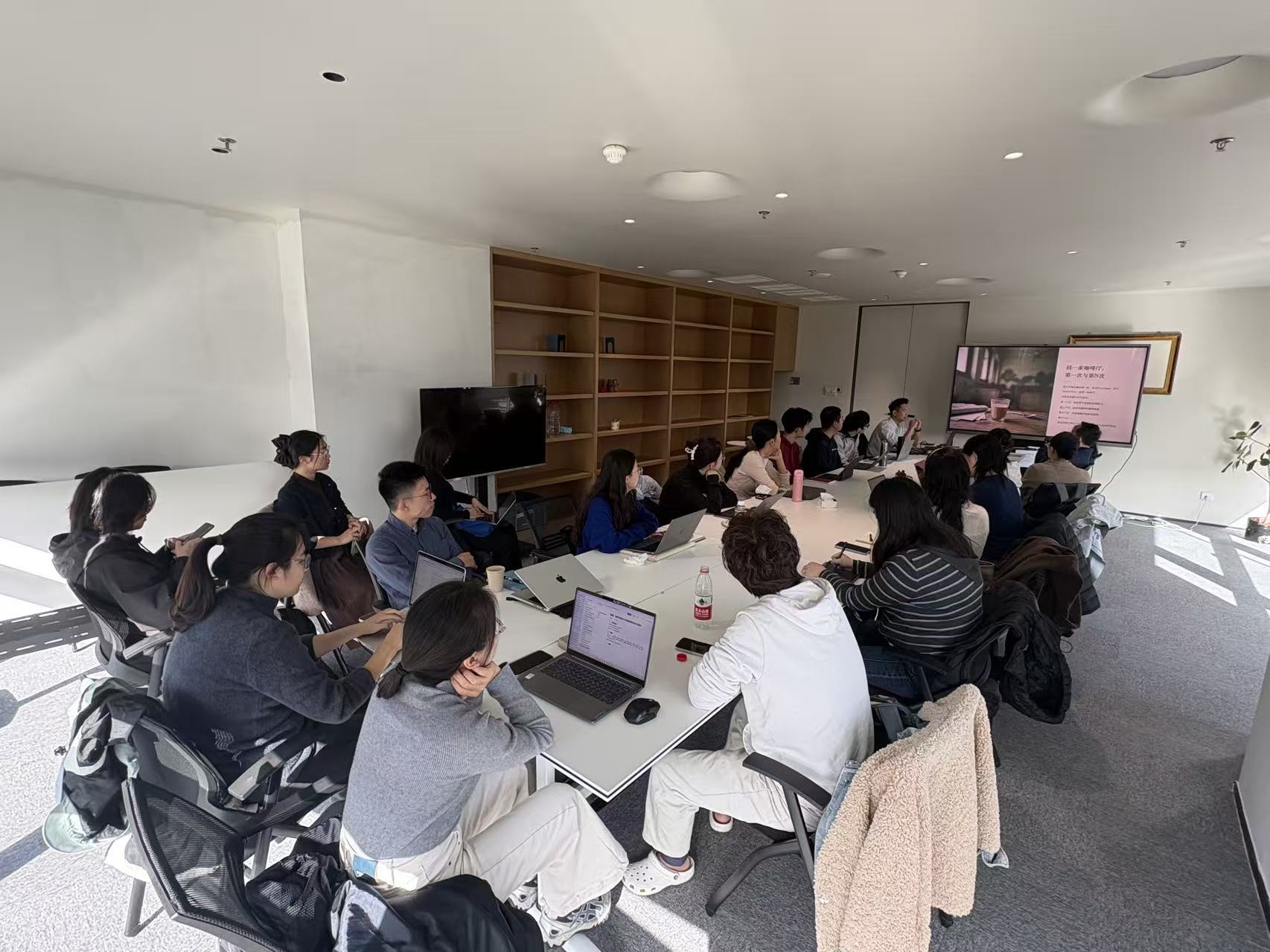 The academic salon in progress
Approaching the subject from the perspective of fieldwork in area studies, Tan Yiqian structured his presentation around three settings — “curry, coffee and the Ganges” — focusing on the interaction between field research experiences and the development of research questions. He argued that “curry” offers a vivid reflection of Indian society, with linguistic diversity, religious coexistence and cultural richness constituting its most essential “spices” and providing a broad entry point for understanding Indian society. At the micro level, he viewed cafés as an important gateway into the field. Compared with formal academic visits, spending extended periods interacting with people from diverse backgrounds in cafés offers a closer reflection of everyday social life. He noted that the relationships he built in cafés enabled him to attend the Kumbh Mela, a major religious gathering held on the banks of the Ganges. This religious practice of entering the water also prompted him to reflect on river management. He then compared religious conceptions of water with the system of water supply in Kusumpur Pahari, a community in South Delhi that relies on water tankers arriving at irregular intervals. This led him to propose the idea of “one river, three ways of measuring”: engineers measure it in terms of flow and water quality; believers measure it in terms of purity and spiritual merit; and residents queuing for water in Kusumpur Pahari measure it in terms of water containers and waiting time. Each of these three ways of measuring is valid on its own, yet they are incommensurable with one another.
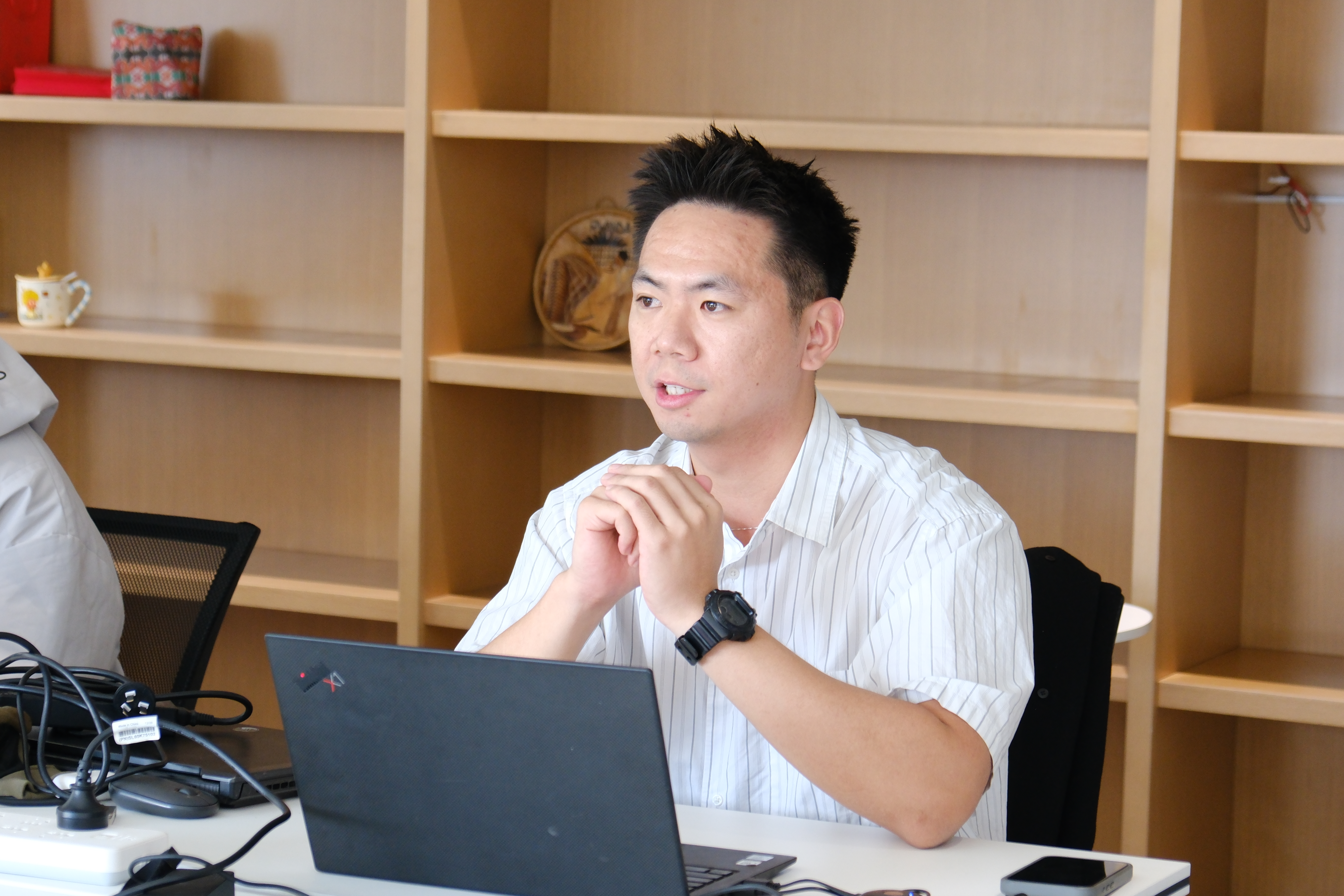 Tan Yiqian delivering the talk
Building on this discussion, he further asked whether China, India and Bangladesh have different ways of “measuring” the shared river system of the Yarlung Tsangpo–Brahmaputra basin. To explore this question, he compiled a corpus of 5,282 multilingual media reports from the three countries published between 1996 and 2025. Using sentiment analysis, topic modelling and intervention analysis, he examined how hydropower development along the same river has been portrayed in different national contexts. The findings showed that the gap in sentiment scores among media in the three countries had continued to widen over the three decades, while their issue structures had also become increasingly divergent. Upstream coverage centred on infrastructure development and water resource management, whereas downstream coverage focused on flooding, riverbank erosion, water sovereignty and concerns about upstream projects. He also pointed out that climate and ecological issues had gained prominence in all three countries, representing one of the few shared areas in which dialogue remains possible. This case combines the spontaneous insights that emerge from everyday observation with the deliberate construction of academic research questions, offering distinctive empirical material for understanding differences in perceptions of transboundary river governance and methodological training in area studies.
During the discussion, Tan Yiqian and participating faculty and students exchanged views on approaches to entering the field, the reliability of informal interview materials, the feasibility of sharing transboundary hydrological data, and language training in area studies. He observed that fieldwork does not change the materials themselves, but rather the way researchers formulate their questions.
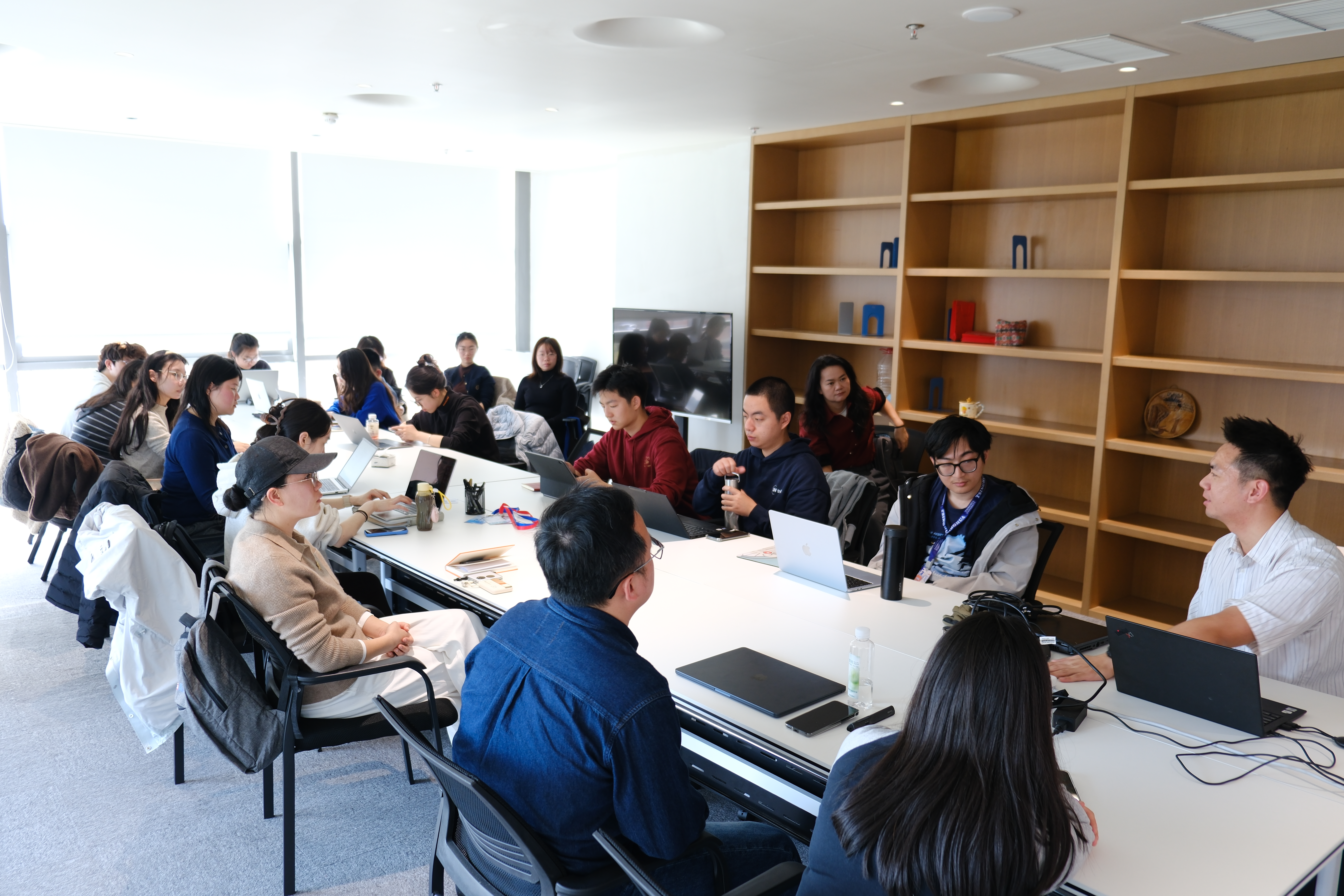 participants exchanging views
The Tsinghua Area Studies Academic Salon will be held regularly to bring together early-career scholars for interdisciplinary dialogue on cutting-edge issues and contribute to the development of an independent Chinese knowledge system for area studies.