On 28 September, the Institute for International and Area Studies (IIAS) at Tsinghua University held the fifth session of the Tsinghua Area Studies Academic Salon, entitled “Between Identity and Mobilisation: The Political Logic of Argentine Football”. Yuan Mengqi, Assistant Professor at IIAS, delivered the talk, which was chaired by Wang Tao, Assistant Professor at IIAS. More than ten faculty members and students from Tsinghua and other institutions took part in the in-person discussion.
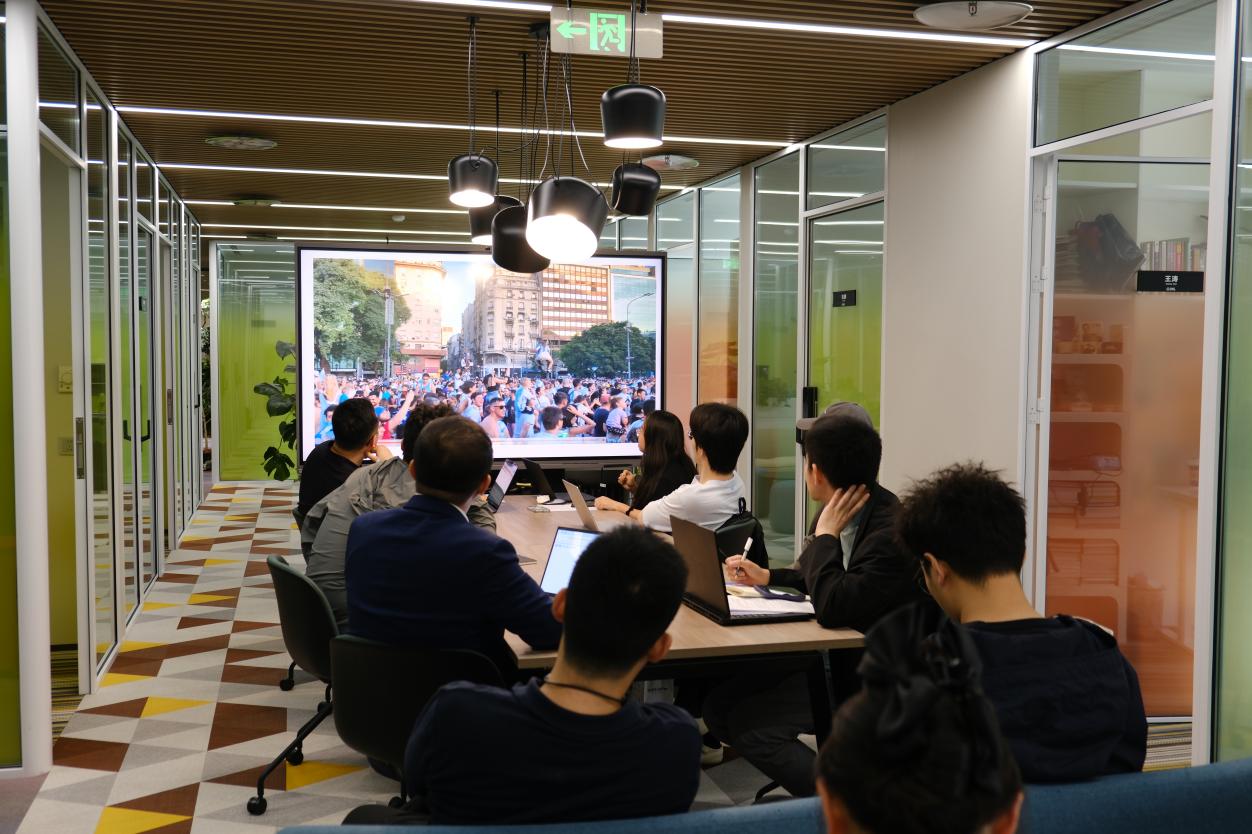 The academic salon in progress
Taking identity politics and political mobilisation as her theoretical framework, Yuan Mengqi focused on the interplay between football and national identity in Argentina. Football is often regarded as a “natural” expression of Argentine national character. Tracing the development of Argentine football since 1867, Yuan first examined how football, introduced from Britain, spread inland through schools, railways and neighbourhood clubs. Through the creolisation of team names and leagues, the participation of immigrant communities, and the narratives constructed by mass media around “our way of playing”, football gradually acquired an “Argentine identity”. She then compared three models of political mobilisation: the “sporting nation” under Perón, the national narrative centred on the 1978 FIFA World Cup during military rule, and the “Football for All” programme under the Kirchner administrations. These examples demonstrated that politics does not create mass participation from scratch, but rather reorganises existing football identities and imbues them with new meanings. The Argentine case combines the grassroots production of identity with state-led political mobilisation, offering distinctive empirical insights into the interaction between popular culture and nation-building in the Global South.
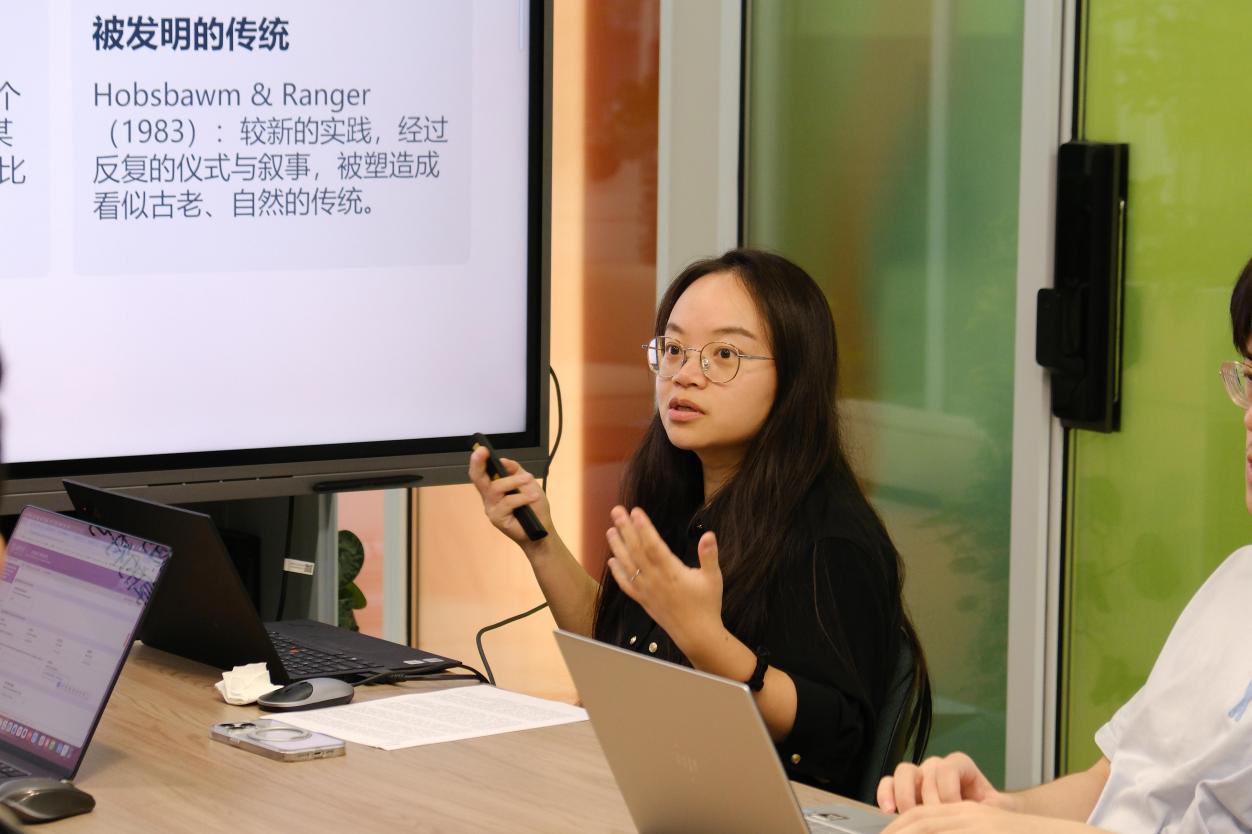 Yuan Mengqi delivering the talk
During the discussion, Yuan engaged with faculty and students on topics including competing interest groups behind the restructuring of football clubs in Brazil and Argentina, the conversion of social and emotional capital in football into political capital, and the development trajectories of Latin America’s football powerhouses. She emphasised that football constitutes a political arena in which competing interests converge, given its nationwide visibility, stable organisational networks and strong emotional identification. Area studies can provide the contextualised perspective needed for the political study of popular culture, helping to identify the distinct mechanisms through which identities are produced, translated into political terms and mobilised in different national contexts.
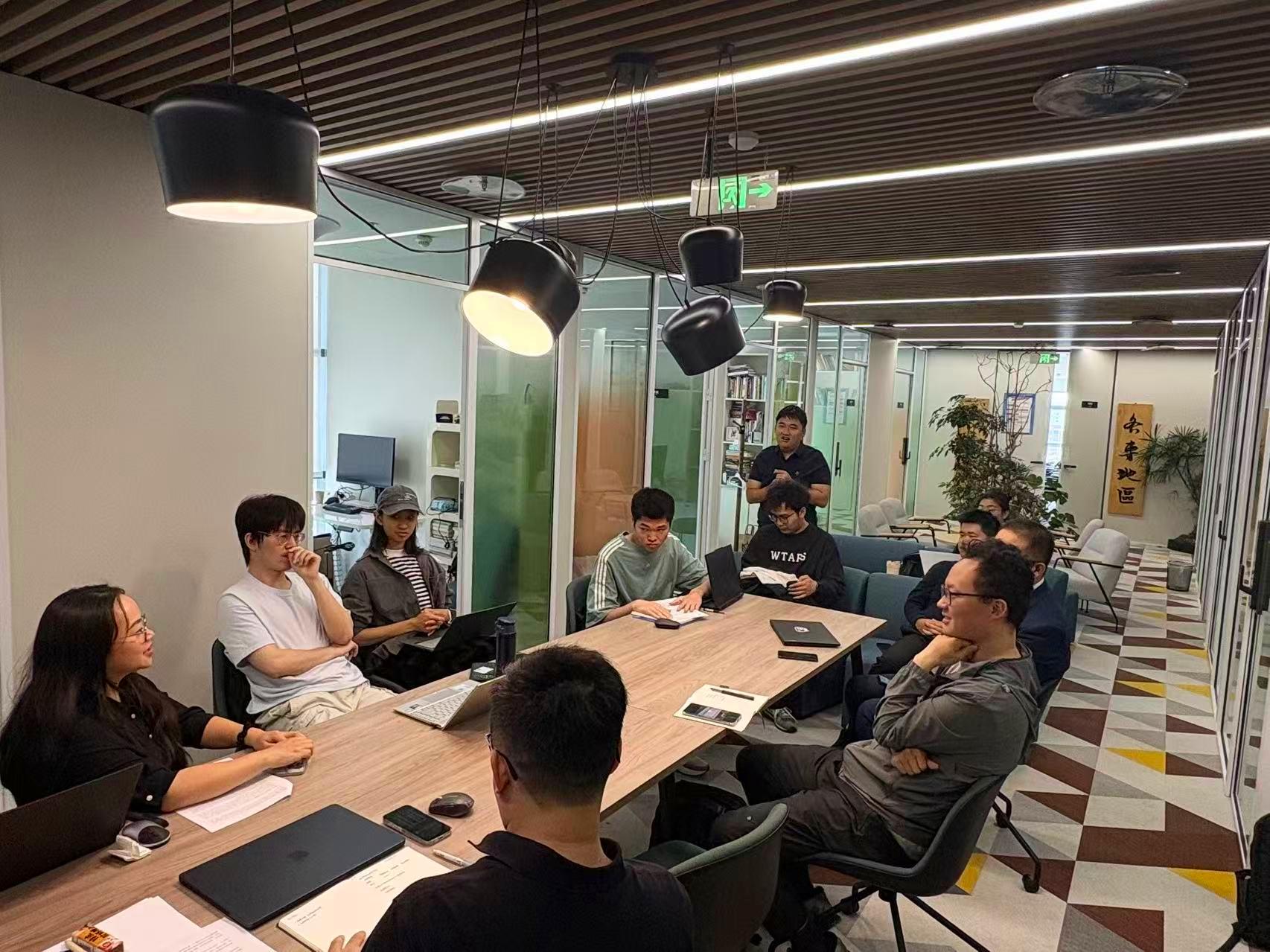 Faculty and students exchanging views
The Tsinghua Area Studies Academic Salon will be held regularly to bring together early-career scholars for interdisciplinary dialogue on cutting-edge issues and contribute to the development of an independent Chinese knowledge system for area studies.